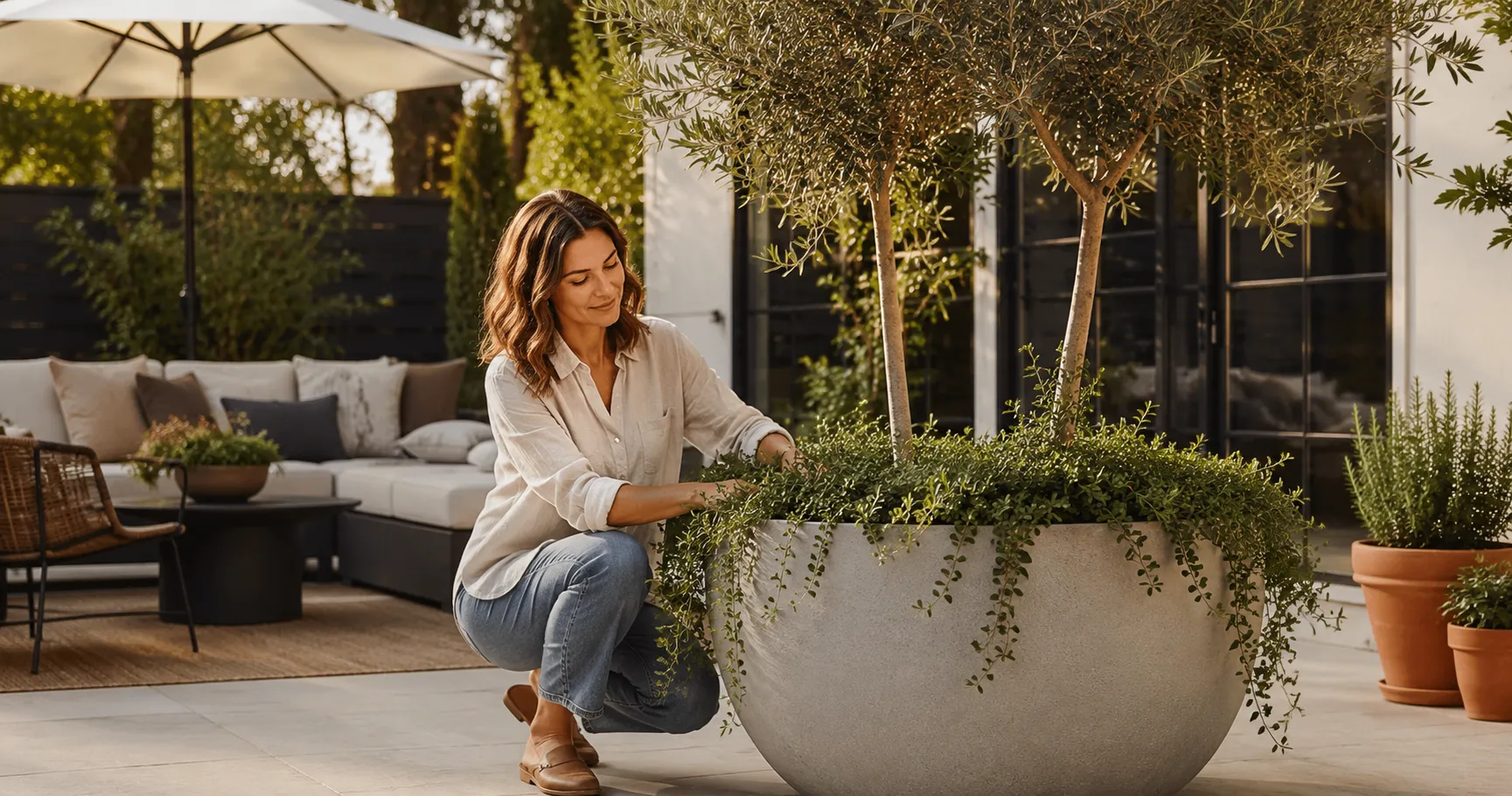
The plant usually gets all the attention, but the planter it sits in matters just as much, especially outdoors where weather, weight, and durability all come into play. Concrete, ceramic, terracotta, wood, metal, and plastic all look different, cost different, and hold up differently over time. Here’s how the most common planter materials actually compare, so you can pick the right one for your space and climate.
How to Compare Planter Materials
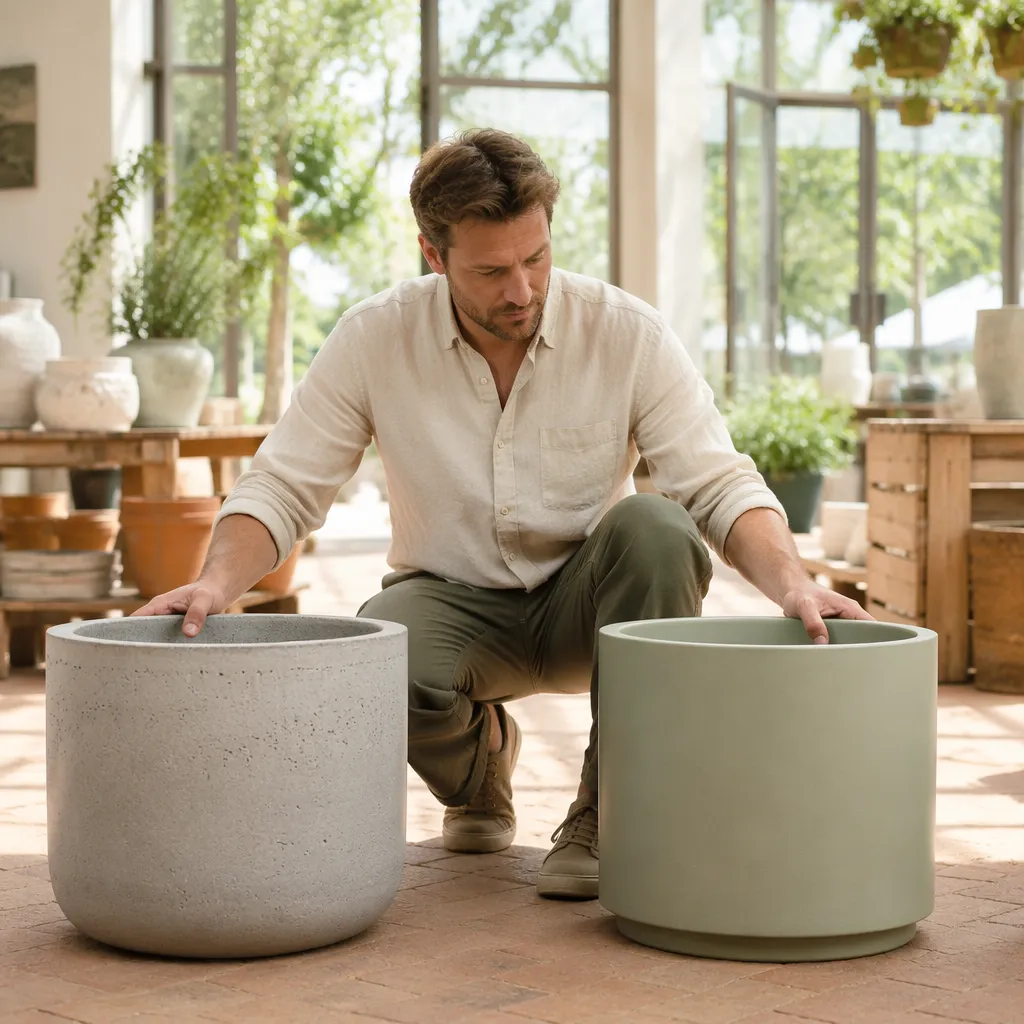
Four things really determine whether a planter material is right for you: durability, weather resistance, weight, and price. A material that looks great but cracks after one freeze, or one that’s affordable but too heavy to move once it’s planted, isn’t actually the right fit no matter how good it looks in photos. Keep those four factors in mind as you go through the options below.
Concrete Planters

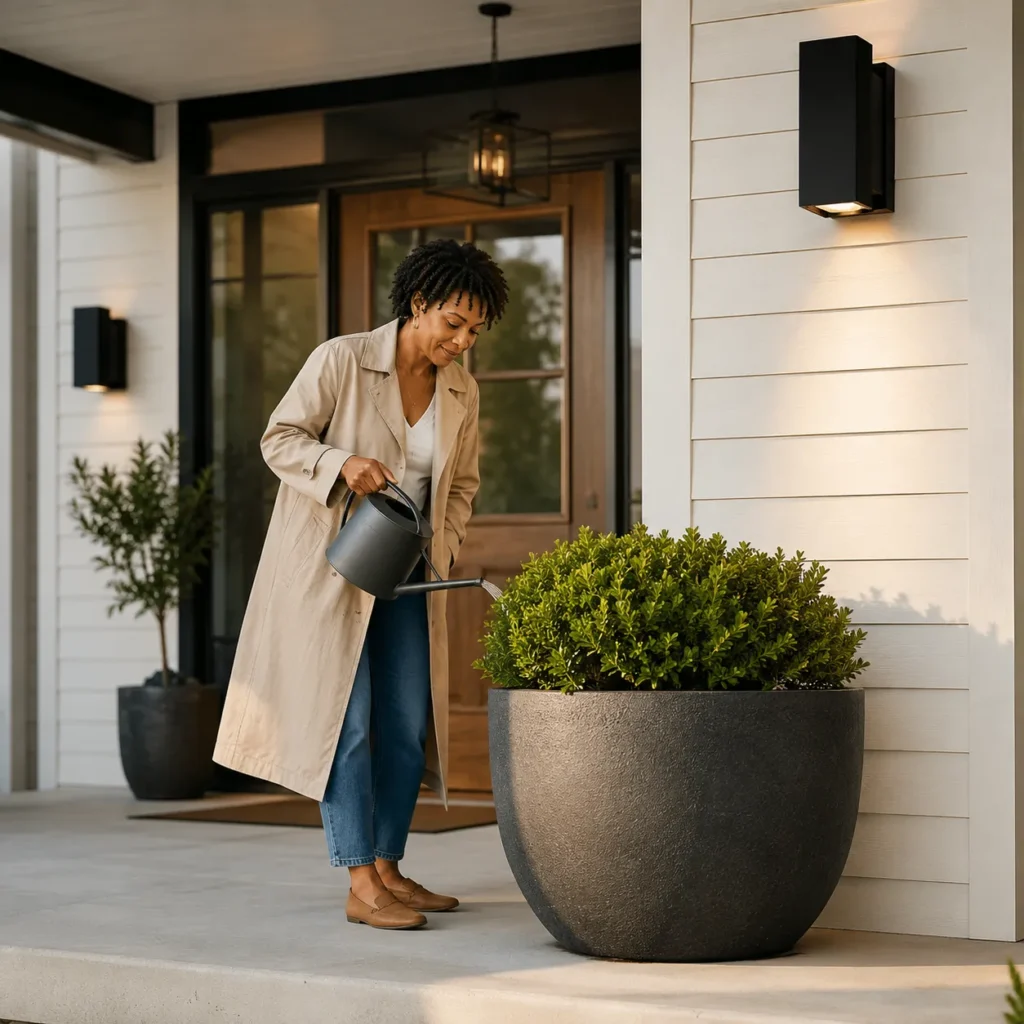
Concrete planters are about as durable as it gets. They resist cracking, fading, and weather damage better than almost any other material, which makes them a strong choice for permanent outdoor placements like a front entry or patio corner. The tradeoff is weight. A large concrete planter can be difficult to move once it’s filled with soil, so it’s worth deciding on final placement before planting. Price-wise, concrete sits in the mid to upper range, but the durability tends to justify the cost over time.
Ceramic Planters
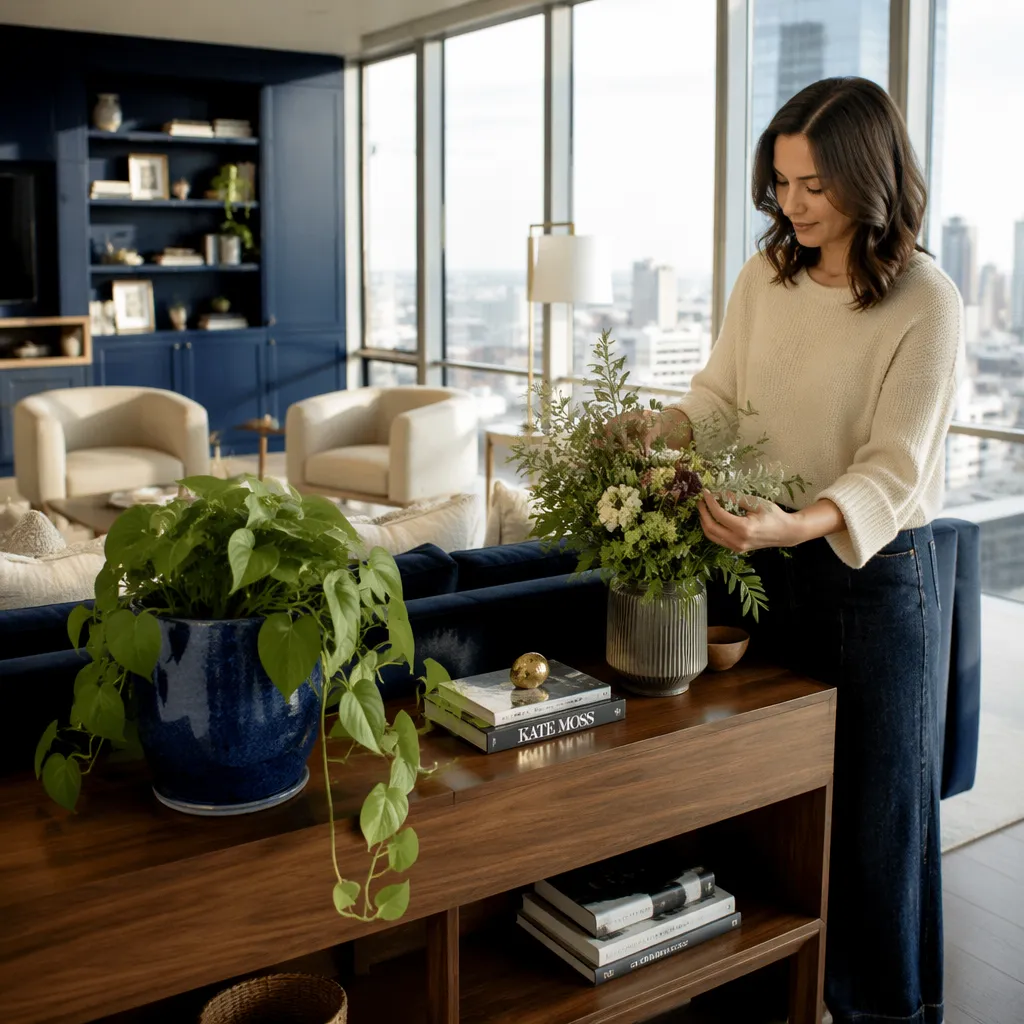
Ceramic planters bring the most polished, high-end look of any material on this list, with glazed finishes that hold color well and a smooth surface that photographs beautifully. Indoors, ceramic is close to ideal. Outdoors, it’s more climate-dependent, since ceramic can crack in freezing temperatures unless it’s specifically rated for frost resistance. It’s a mid-range option price-wise and moderately heavy, lighter than concrete but heavier than plastic or resin.
Terracotta Planters
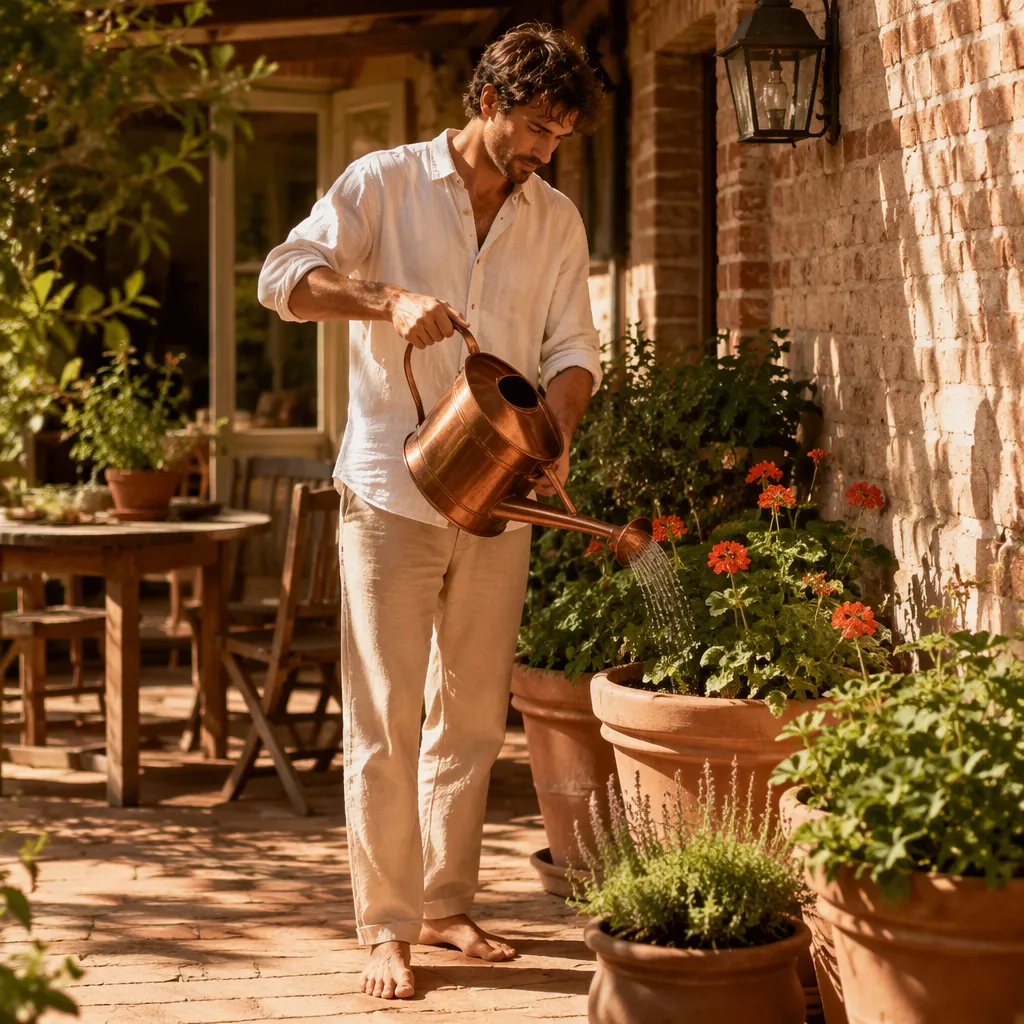
Terracotta has a warm, classic look that pairs naturally with Mediterranean and cottage-style gardens. It’s porous, which actually helps prevent overwatering since excess moisture evaporates through the material itself, but that same porosity means terracotta dries out faster and needs more frequent watering than glazed materials. Terracotta is also one of the more fragile options and prone to cracking in freezing weather, so it works best in moderate climates or as an indoor option.
Wood and Cedar Planters

Wood planters, especially cedar, bring warmth and a natural look that works well in both modern and traditional settings. Cedar specifically is worth calling out because it naturally resists rot and insects better than most other woods, so it holds up outdoors for years without needing a sealant, unlike pine or other softer woods. Wood is also one of the lighter material options relative to its size, which makes larger wood planters easier to reposition than concrete or ceramic equivalents.
Metal and Galvanized Planters
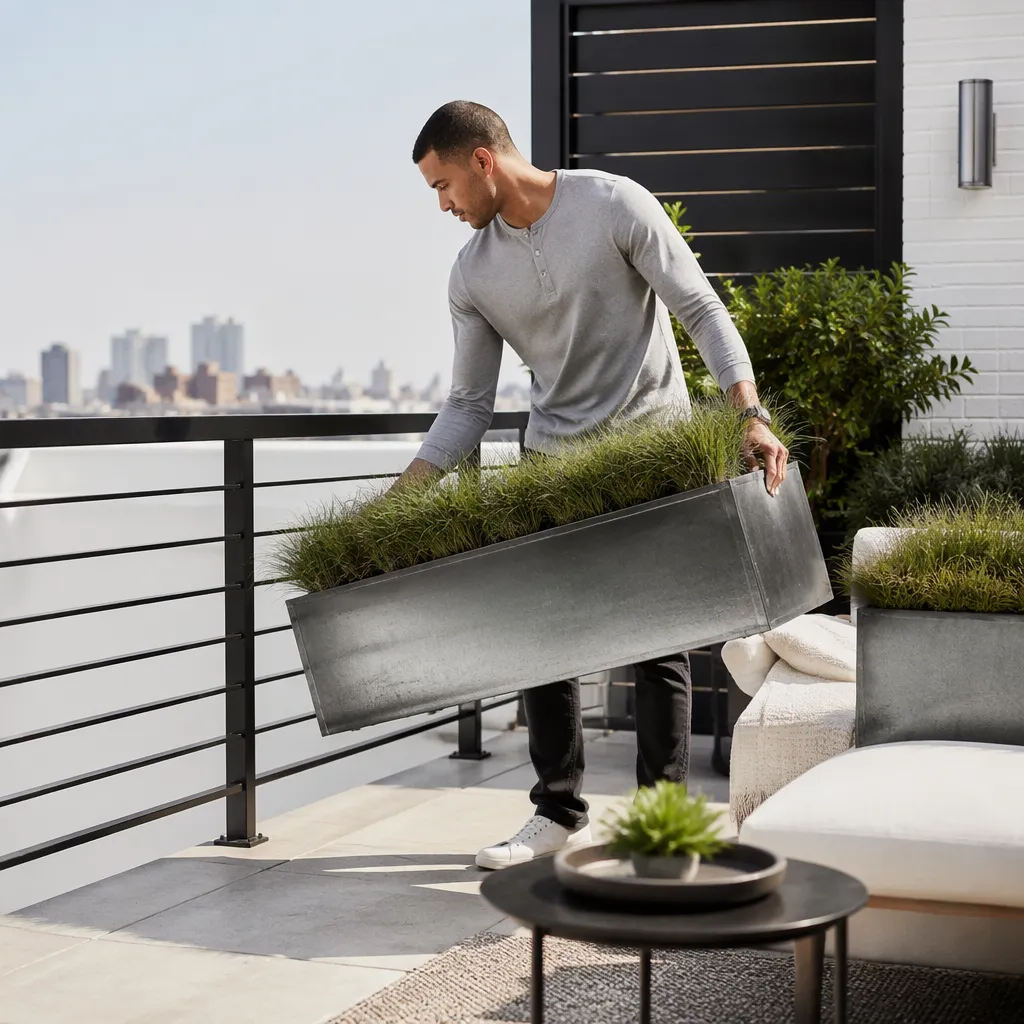
Galvanized metal planters bring a clean, modern, slightly industrial look and hold up extremely well outdoors, since the zinc coating resists rust far longer than untreated metal. They’re lightweight relative to their size, which makes them easy to move, though they can heat up significantly in direct summer sun, which is worth factoring in for heat-sensitive plants. Metal remains a relatively low-competition space to write and rank content in, since fewer sites cover it in depth compared to concrete or ceramic.
Plastic Planters

Plastic planters are the most budget-friendly and lightest option by far, which makes them practical for renters or anyone who rearranges their space often. Modern plastic and resin options have improved significantly and can convincingly mimic the look of concrete or ceramic at a fraction of the weight and cost. The main tradeoff is longevity. Plastic tends to fade and become brittle with prolonged sun exposure faster than the other materials on this list.
Planter Materials Compared
Here’s a side-by-side look at how each material stacks up.
| Material | Durability | Weather Resistance | Price Range |
|---|---|---|---|
| Concrete | Excellent | Excellent | |
| Ceramic | Good (indoor best) | Moderate (frost-sensitive) | $$ |
| Terracotta | Fair | Low (cracks in freezing temps) | $ to $$ |
| Cedar/Wood | Good | Good (cedar especially) | $$ |
| Galvanized Metal | Excellent | Excellent | $$ |
| Plastic | Fair | Good (but fades over time) | $ |
Which Planter Material Is Right for You?
If durability is the priority, concrete or galvanized metal will outlast almost anything else on this list. If you want the most polished look and plan to keep plants indoors or in a mild climate, ceramic is hard to beat. And if budget or portability matters more than longevity, plastic gets you most of the look for a fraction of the cost and weight. There’s no universally “best” material here, just the one that fits your climate, budget, and how often you plan to move things around.
FAQ
What’s the most durable planter material for outdoors?
Concrete and galvanized metal are the two most durable options for outdoor use, both holding up well against weather, temperature swings, and general wear over many years.
Are concrete planters better than ceramic?
For outdoor use, concrete generally holds up better since it isn’t prone to cracking in freezing temperatures the way unrated ceramic can. Indoors, the choice comes down more to look and weight than durability.
Do wood planters need a liner?
A liner isn’t strictly necessary, but it does help extend the wood’s lifespan by reducing direct, prolonged contact with wet soil. Cedar is naturally more rot-resistant and can be used without one if preferred.
Which planter material is best for cold climates?
Concrete, galvanized metal, and cedar all hold up well through freezing temperatures. Terracotta and unrated ceramic are the two materials most likely to crack in a hard freeze and are better suited to moderate climates.