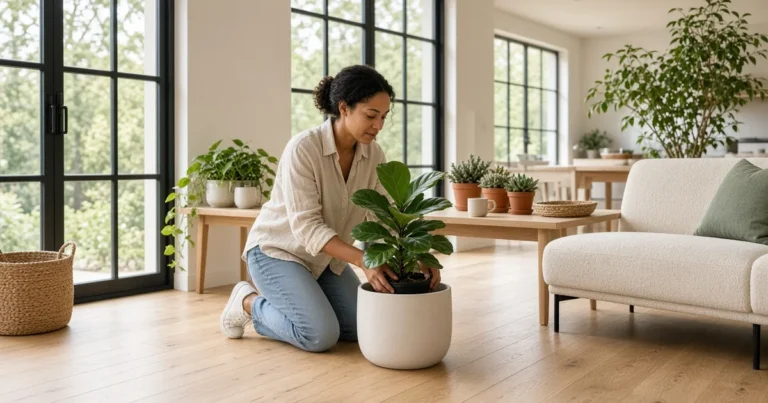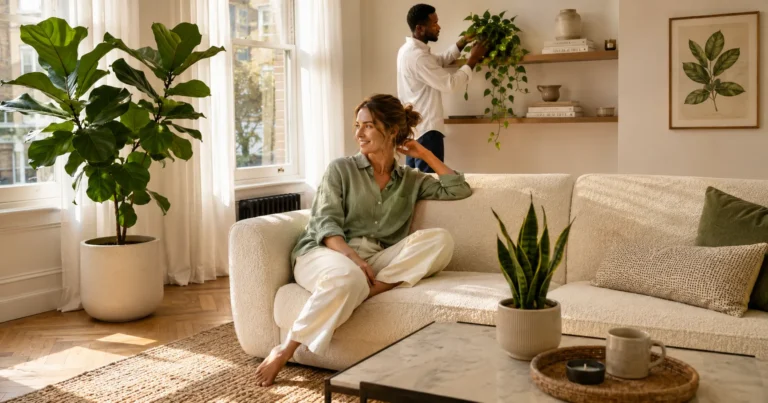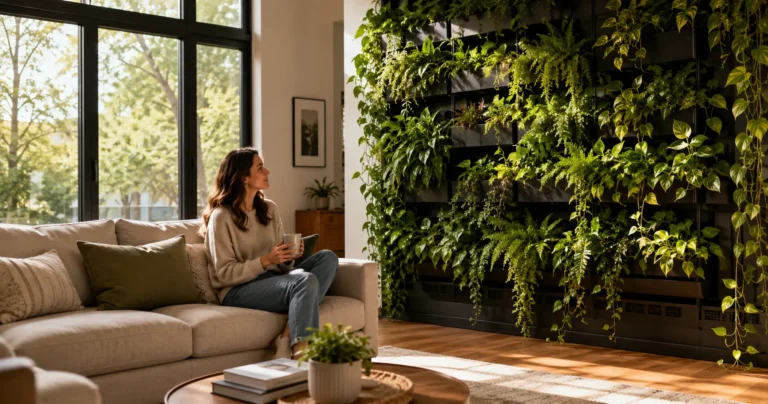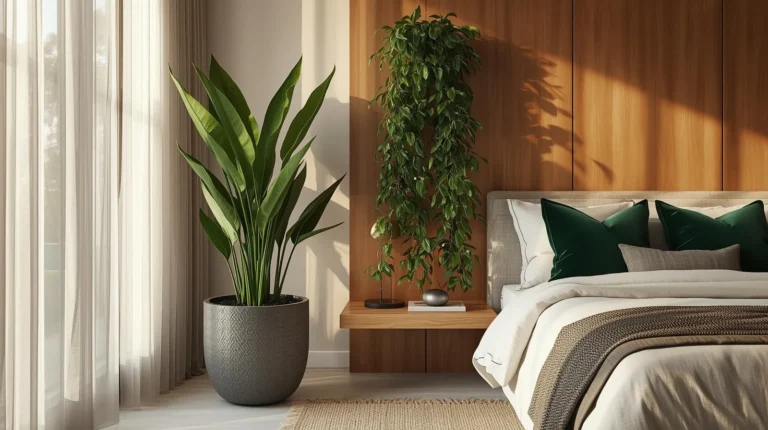
A plant sitting on the floor is just a plant. Put it on the right stand, and suddenly it’s a design choice. That’s really the whole story here. Height and placement turn a houseplant into something that actually finishes a room.
This guide walks through plant stand ideas for every part of your home, indoor and outdoor, DIY and store-bought, budget and splurge. Whether you’ve got one lonely pothos or a growing collection that needs a real home, you’ll find something here that fits your space and your style.
Why Where You Put Your Plant Stand Matters So Much
Most people treat plant stands as a storage question. Where does this thing go? But placement is really a styling decision, and it changes how the whole room feels, not just that one corner.
Height does most of the work. A plant on the floor gets ignored. Raise it two feet and it becomes something you actually notice. Raise it another foot and it’s a focal point. The stand you choose decides whether that plant blends into the background or holds its own in the room.
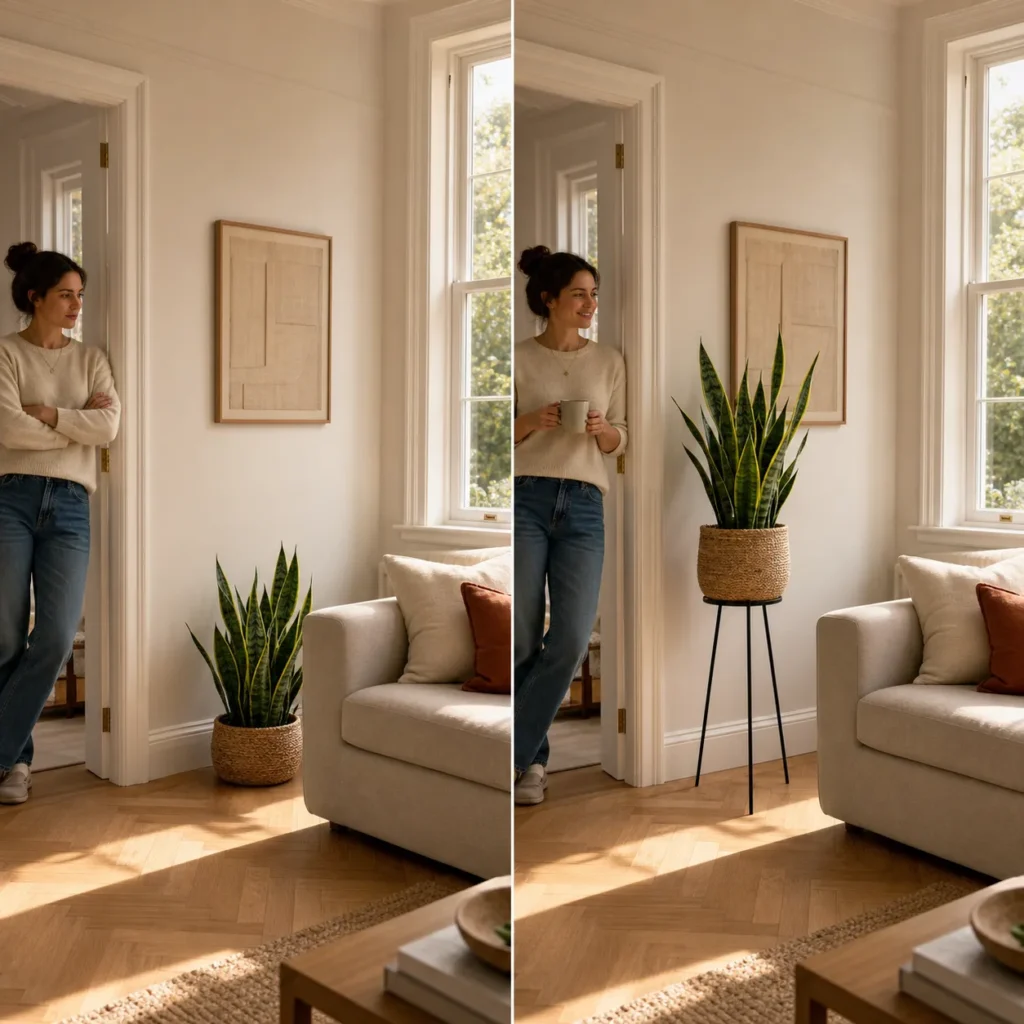
Where you put it relative to your furniture matters too. A tall stand next to a low sofa creates the kind of contrast that makes a room feel put together. A stand tucked into an empty corner fills space that would otherwise feel bare. One beside the bed softens a room that can otherwise feel a little too functional.
You don’t need a plant in every corner. You need each one placed with a reason behind it, and the right stand is what makes that reason visible.
Pro tip: Stand in your doorway and look at the room. Wherever your eye stalls out or feels like something’s missing, that’s usually exactly where a plant stand belongs.
Indoor Plant Stand Ideas by Room
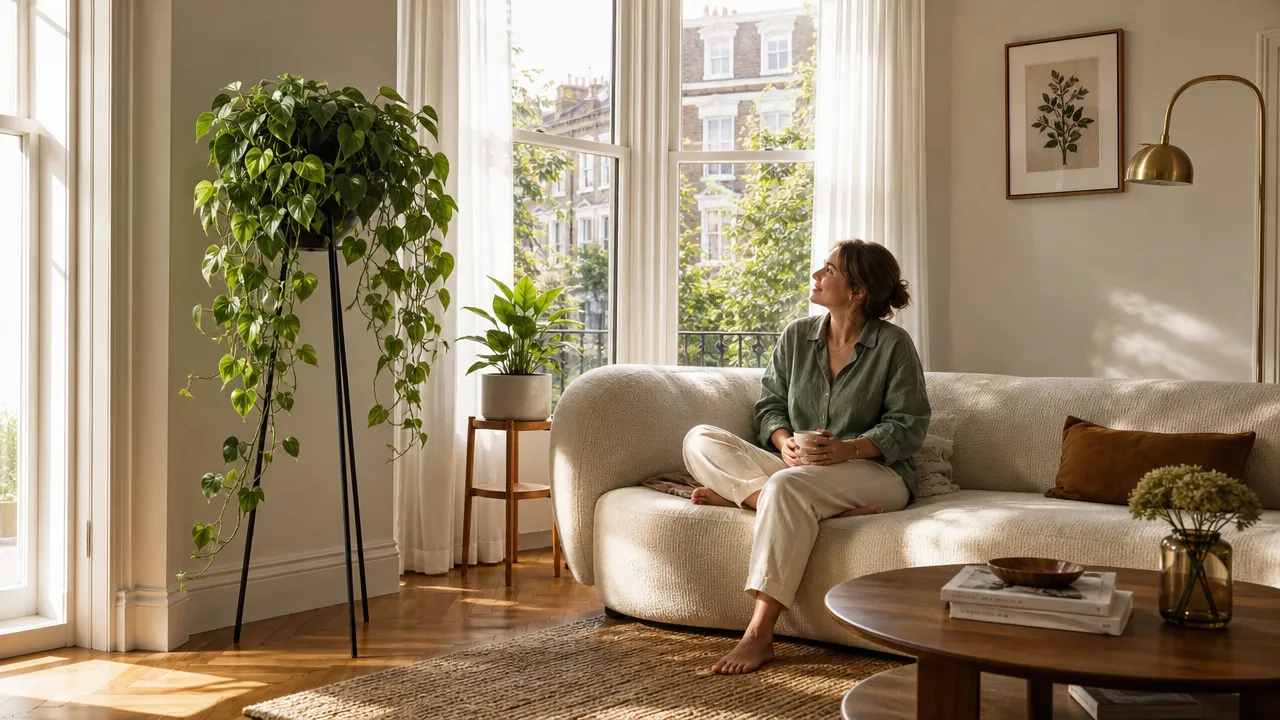
Living room. This is where you have the most room to play and the biggest payoff. A tall plant stand in the corner across from your sofa is one of the simplest upgrades you can make. It pulls the eye up and balances out all that low furniture. Pair it with something trailing, like pothos, or something architectural like a snake plant.
If you’ve got a few plants, a tiered stand near a window turns them into a display instead of a cluster. Stagger the sizes, tall ones in back, trailing ones up front, and leave a little space between each pot so it reads as curated instead of crowded.
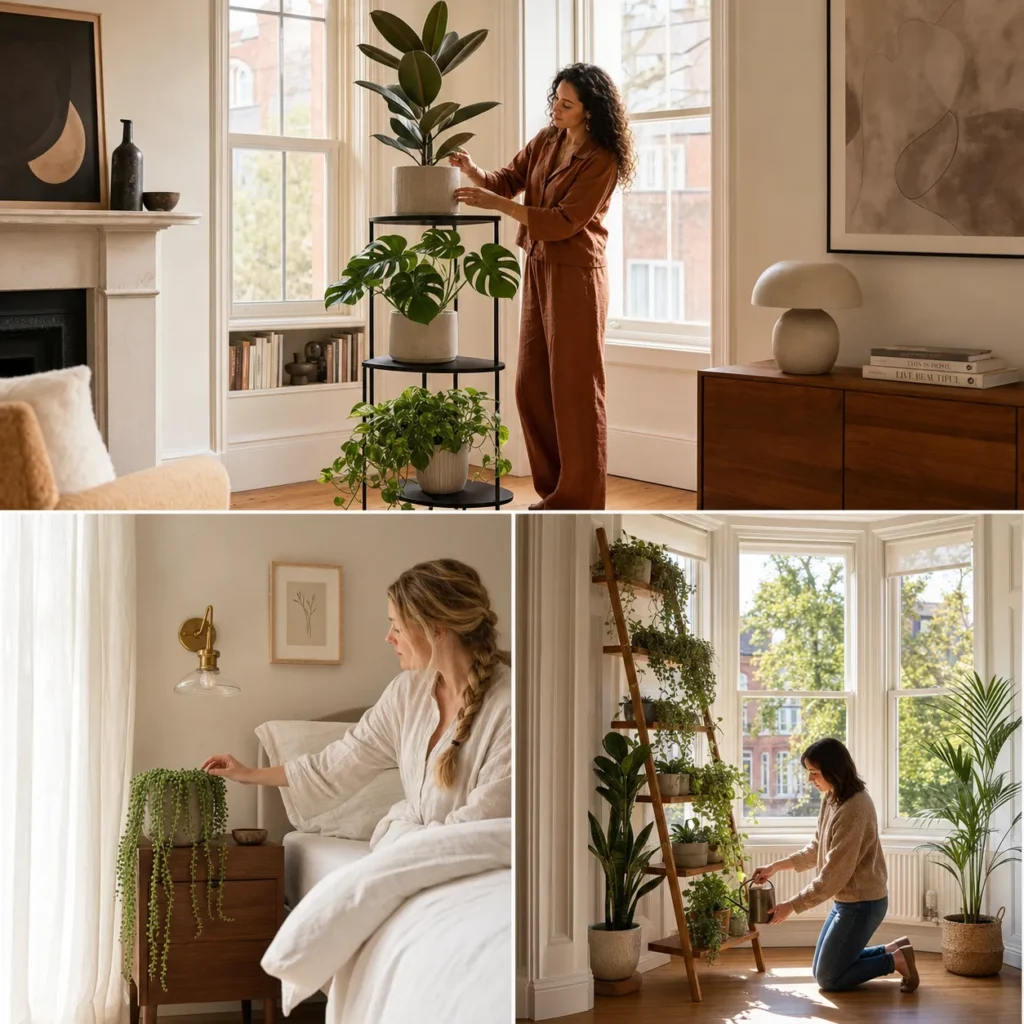
Don’t overlook the side of the sofa either. A single stand at arm height there works like a living side table, and it’s a lot more interesting than another end table.
Bedroom. Keep it quiet in here. One or two plants on stands do more for the mood than a whole collection competing for space. A wooden stand beside the bed at nightstand height is a favorite for good reason, and something trailing like a string of pearls softens the whole area. Stick to stands between 18 and 36 inches. Anything taller starts to feel like it’s looming over you while you sleep.
Bathroom. People skip this room, but humidity-loving plants genuinely thrive here. Space is usually the issue, so go small and vertical. A corner stand fits into spots nothing else can use, and a wall shelf above the toilet adds greenery without touching the floor. Ferns, air plants, and orchids do well with the extra moisture. Stick to powder-coated metal or sealed wood since regular wood won’t hold up to the humidity.
Bay windows. These are wasted more often than not. The natural alcove is perfect for a stepped or tiered arrangement. A ladder stand angled into the space catches light across every shelf. Or run a narrow shelf along the whole ledge and mix plant heights across it, taller ones at the ends, trailing ones cascading down the middle.
Pro tip: Whatever plant sits at your eye level when you’re seated, make sure it’s the one you actually like looking at. You’ll see it every single day.
Also Read: Indoor Plants Styling Ideas for a Beautiful Home
Outdoor Plant Stand Ideas
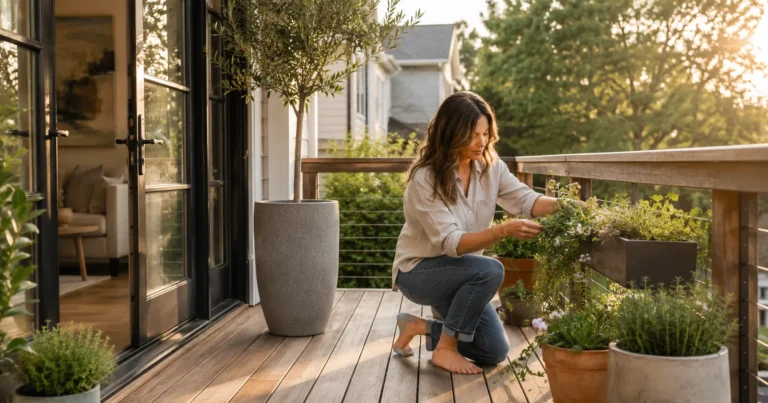
Outdoor stands have one job indoor stands don’t: surviving the weather. That narrows your materials fast. Teak, wrought iron, powder-coated steel, and galvanized metal are the ones that actually last.

Balconies and patios. Floor space is usually tight, so go vertical with a narrow tall stand. A rolling stand is genuinely useful here too, since you can chase the sun around or bring plants in fast when a storm rolls through. On a patio, tiered stands grouped in odd numbers along a wall create that lush garden feel without any actual gardening.
Front porches. This is the first thing anyone sees when they visit, so it’s worth doing right. A matching pair of tall stands flanking your front door reads formal and welcoming. Or go with one oversized stand slightly off to the side for something more relaxed. Tiered stands let you swap in seasonal flowers without changing anything else. And since a porch stand is always on display, don’t skimp on material here. Wrought iron and teak age well; cheap stuff rusts fast and it shows.
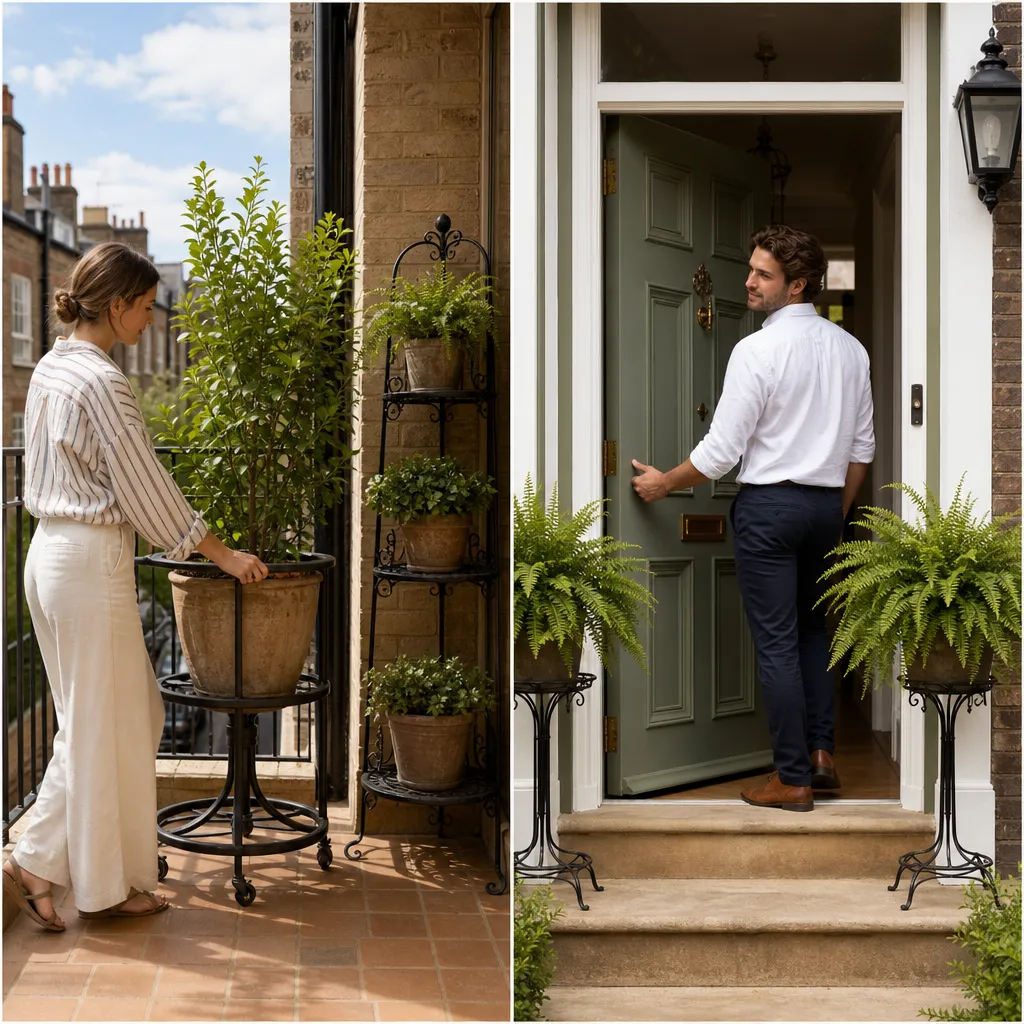
Pro tip: Use the same pot style across every stand even if the plants themselves vary. Matching containers instantly make a mixed display look intentional instead of thrown together.
DIY Plant Stand Ideas
You don’t need a workshop for this. Four tapered hairpin legs screwed into a wood round makes a clean mid-century stand in about half an hour for under $20, when the same look sells for $80 in stores. Stacked wood rounds glued together in descending sizes make a nice sculptural pedestal too.
PVC pipe, cut to different heights and spray-painted matte black, mimics those pricey modern metal stands for next to nothing. If you don’t want to touch a tool at all, stick adhesive furniture feet under a decorative bowl and you’ve got an instant small riser for succulents.

Budget and dollar store finds. The trick isn’t buying cheap and hoping. It’s buying cheap and finishing it well. A dollar store vase, spray-painted gold or matte black, turns into a convincing little pedestal. Stack a few terra cotta pots in descending sizes, seal them, and you’ve got a tiered stand for under $10. A wooden crate, sanded and stained, makes a solid rustic base for trailing plants.
Upcycled ideas. These bring character no amount of money can buy. A broken-down pallet reassembled into an A-frame ladder is a classic for a reason: free, easy, and naturally rustic. Cinder blocks with wooden boards between them make an industrial tiered stand for almost nothing. Old step stools, chairs with the seat cut out, even a stack of vintage suitcases, all of it works because it carries a story a brand-new stand can’t fake.
Pro tip: The difference between an upcycled stand that looks intentional and one that looks like a leftover project is finish. Sand it, seal it, paint it properly, and the same piece suddenly looks designed.
Plant Stand Ideas by Style
Farmhouse leans on natural, slightly worn materials. Whitewashed wood and simple ladder shelves are the classic move, and a wooden A-frame with three or four rungs works in almost any room.
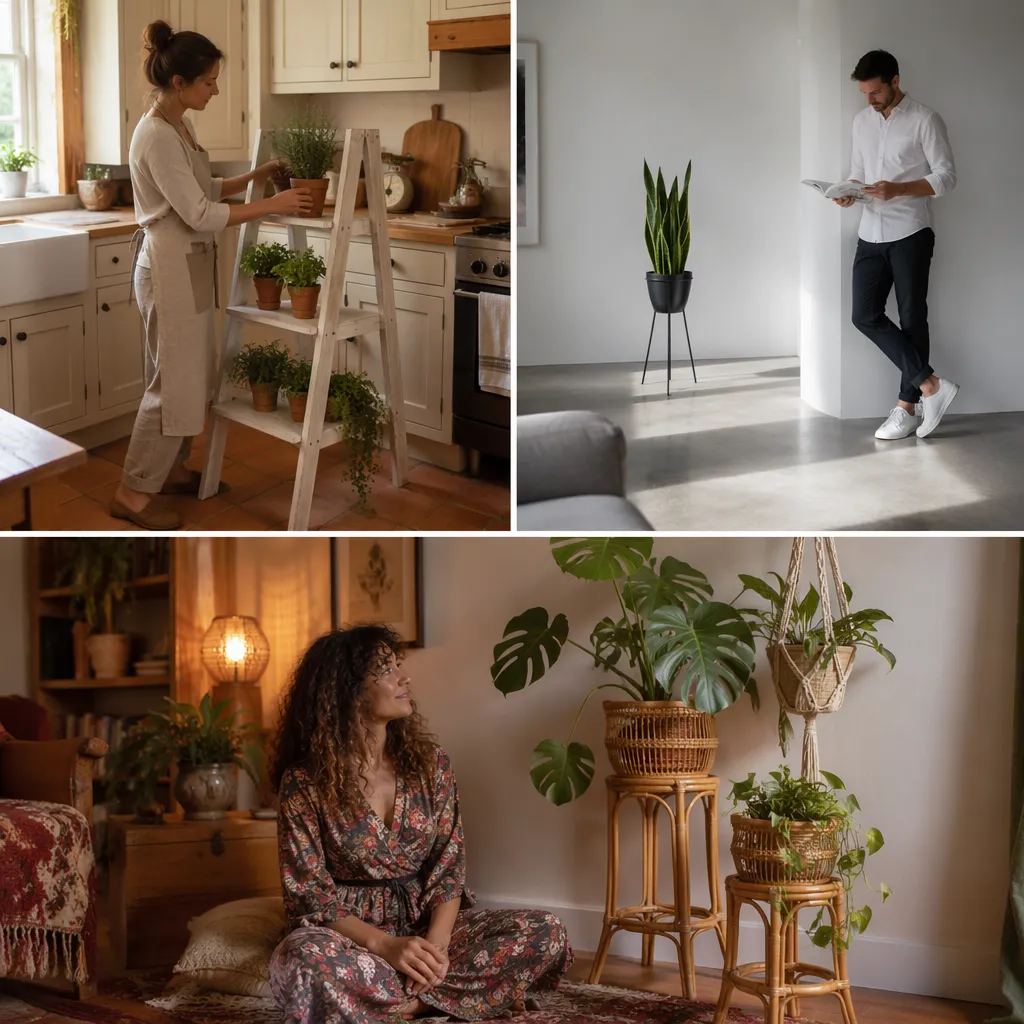
Modern and minimalist is all about restraint. One black metal tripod, one plant, space around both. Let the plant’s shape do the talking and keep the stand as simple as possible so it fades into the background.
Boho goes the opposite direction: rattan, bamboo, macramé, and layers of texture. A cluster of stands at different heights loaded with plants reads lush when it’s healthy, but it tips into messy fast if the plants themselves look neglected. Keep them thriving and the abundance works in your favor.
Plant Stand Ideas for Specific Spaces and Plants
Small spaces need to go up, not out. Wall shelves at different heights, hanging stands, and tall narrow pedestals all bring in greenery without eating your floor. A magnetic planter on a metal surface, like the side of a fridge, is a clever trick when you’ve truly run out of room.
Hanging stands solve the same problem from the ceiling down. A ceiling hook with a macramé hanger, or a simple wooden dowel strung with rope and S-hooks, holds multiple trailing plants in space you weren’t using anyway.
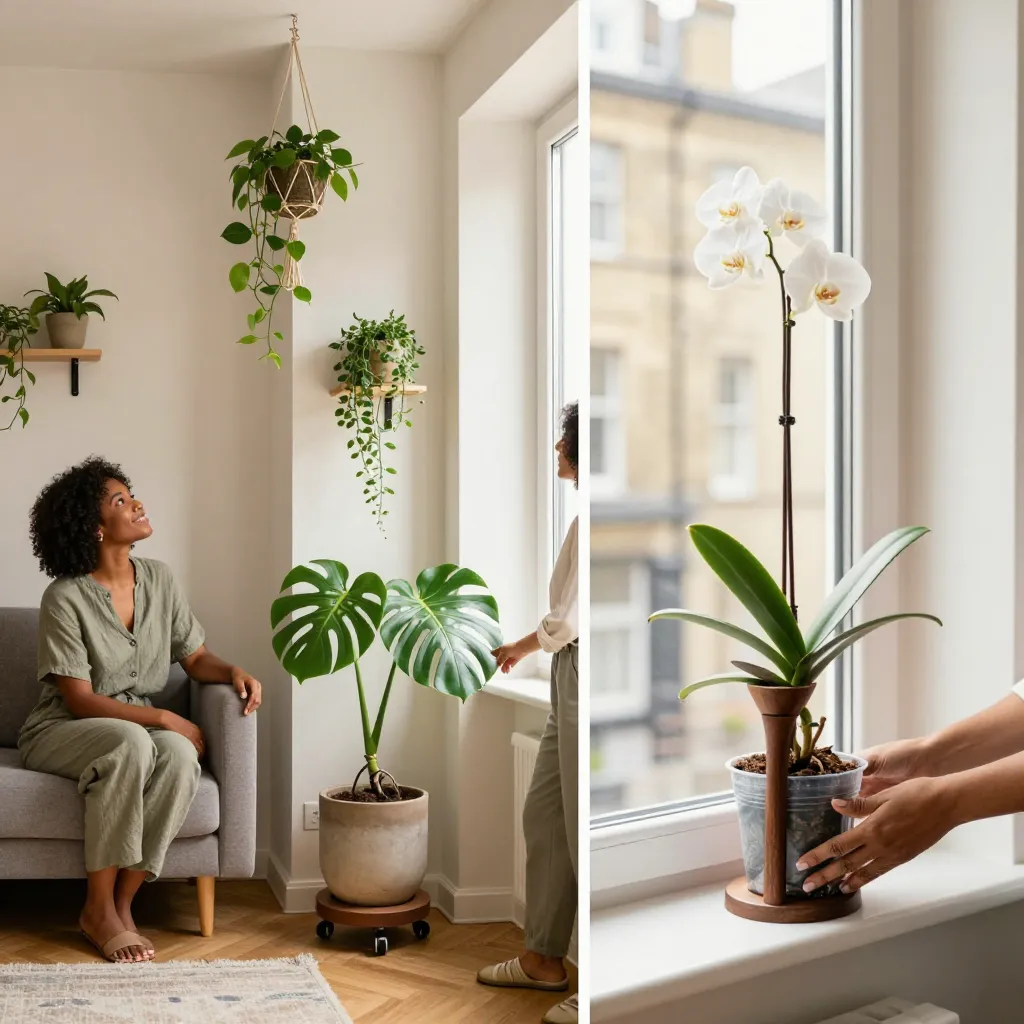
Monsteras get heavy and wide as they mature, so they need a low, stable, wide-base stand, or a rolling one so you can turn it toward the light without wrestling it across the room.
Orchids are the opposite: delicate and best shown at eye level. A slender pedestal in a contrasting color, dark wood under a white bloom, lets the flower stand out instead of getting lost.
Pro tip: Drop your orchid’s plastic grow pot into a nicer cachepot before setting it on the stand. That one swap turns a plain windowsill plant into something that actually looks styled.
The Designer’s Take
The best plant stand ideas were never really about the stand. They’re about what it does for the room around it. Get the height, material, and placement right, and a $30 stand can outperform a $300 one in the wrong spot.
Pick one room. Find the corner that feels a little flat. Choose a height that fills the gap and a material that already belongs in the space. Let one good stand prove the point, then build from there. That’s how a home starts to feel designed instead of just decorated.
FAQs
What’s the best plant stand for indoors?
A wooden or powder-coated metal stand sized to your plant works almost anywhere. For a collection, a tiered stand makes the most of your space.
How tall should a plant stand be?
Match it to the plant. Trailing plants look best around 24 to 36 inches up. Big architectural plants like snake plants only need 6 to 12 inches of lift. Stay under 48 inches in a standard room unless the plant really calls for more height.
What material holds up outdoors?
Teak, wrought iron, powder-coated steel, and galvanized metal. Skip rattan, bamboo, and untreated wood outside; they won’t last a season.
Can I build a plant stand without any tools?
Yes. Adhesive furniture legs on a wood round, stacked wood slices, or a repurposed step stool or crate all need nothing more than some paint and a sealer.
How many plant stands are too many in one room?
There’s no set number. The rule is that each one should earn its spot. Two or three at different heights usually works in a living room. Once they start competing with each other or blocking the path through the room, it’s time to edit down.