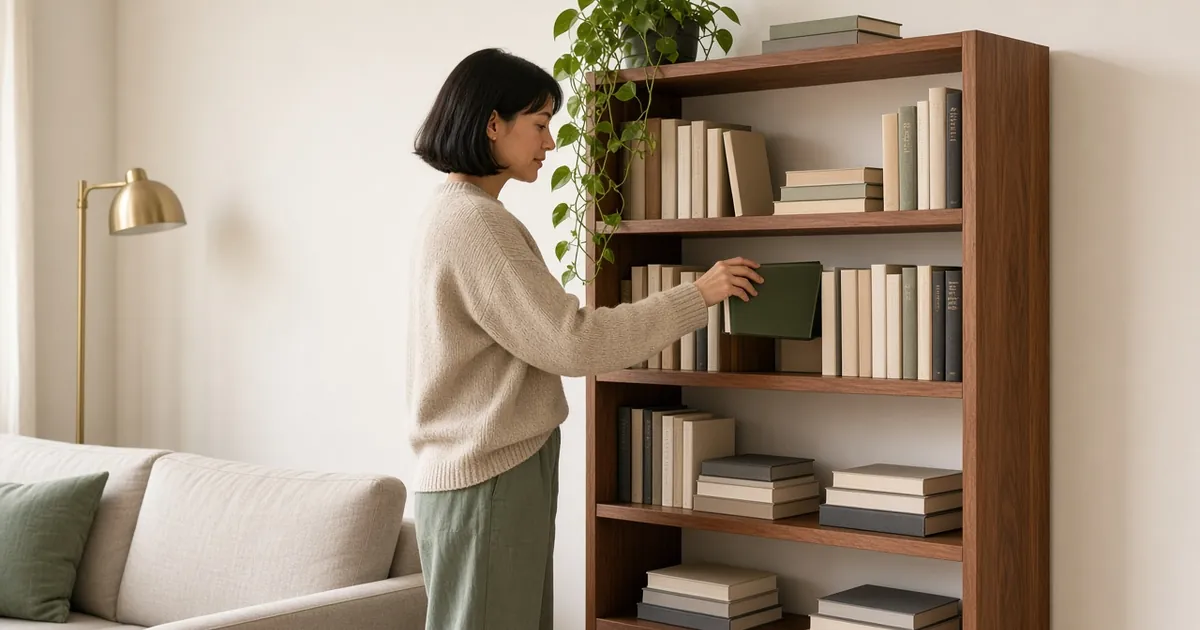
A good book shelf does two jobs at once. It holds the things you love to read, and it quietly sets the tone of the whole room. Pick the wrong type and you get sagging shelves, a wobbly frame, or a piece that crowds a small space. Pick the right one and it can look like a built-in, even on a modest budget.
This guide walks through the main types of bookcases, the parts that make a bookcase sturdy, and the sizes worth checking before you buy. You will also find four affordable picks that cover the most common needs.
This post contains affiliate links. As an Amazon Associate, I earn from qualifying purchases, at no extra cost to you.
Quick Answer: Which Book Shelf Should You Buy?
For most homes, a standard open bookcase about 24 to 36 inches wide and 9 to 12 inches deep is the safest choice. Choose a ladder shelf if you want a lighter look in a small room, a bookcase with doors if you need to hide clutter, and a cube or etagere style if you want to mix books with baskets and decor. Whatever you choose, anchor anything tall to the wall.
Bookcases vs. Bookshelves: Is There a Difference?
People search for bookcases bookshelves and bookshelves bookcases almost interchangeably, and in everyday shopping the words overlap. Retailers often use both for the same product to catch every search.
If you want a working distinction, a bookcase is usually a freestanding piece of furniture with sides, a top, and a base that enclose several shelves. A bookshelf can mean that same piece, or just a single shelf, such as a floating shelf on the wall. In this guide, both words refer to furniture made to hold books, and the details below matter more than the label.
Bookshelf Types: 10 Kinds of Bookcases Explained
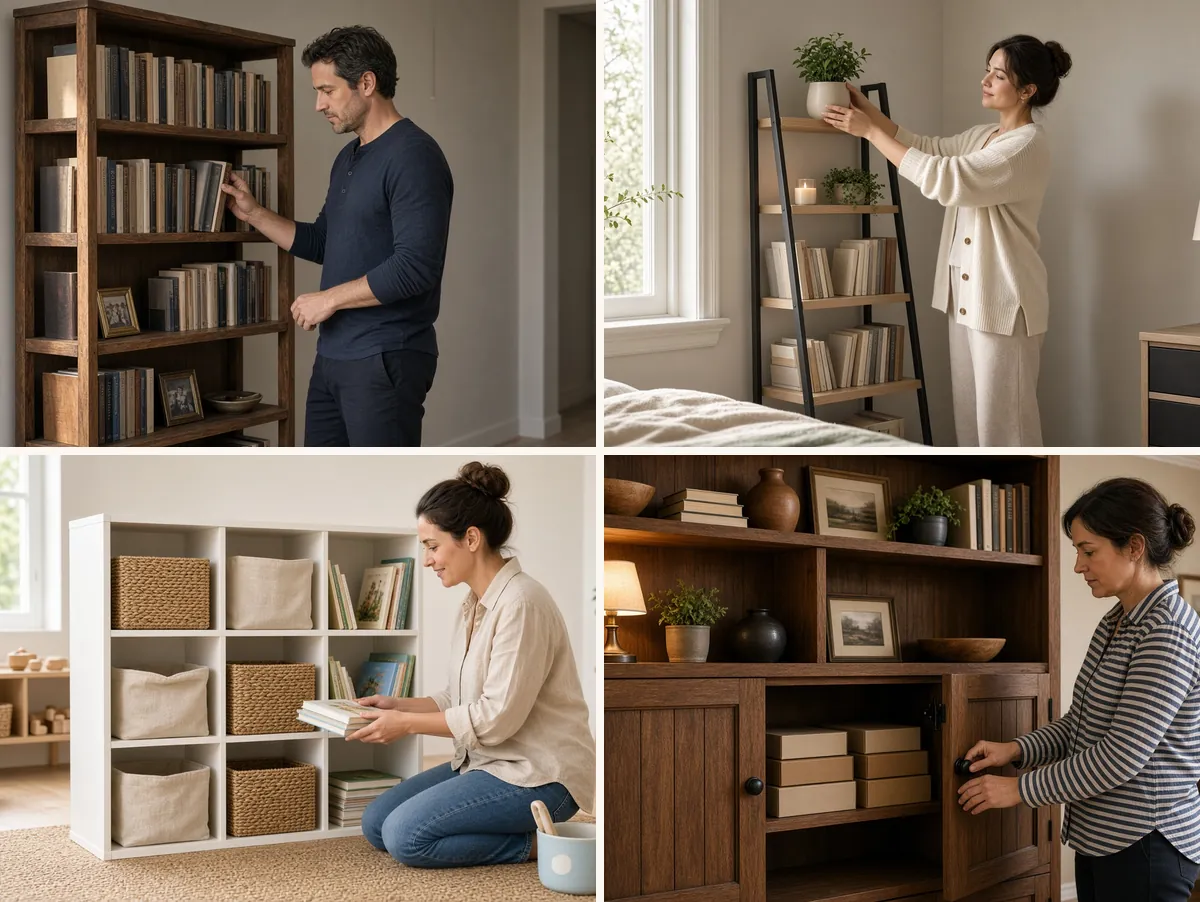
Most bookshelf types fall into a handful of families. Each one solves a different problem, so start with how you plan to use it, not just how it looks.
1. Standard Open Bookcase
This is the classic tall rectangle with fixed or adjustable shelves and a back panel. It holds the most books per square foot of floor and suits almost any style, from traditional to modern. It is the right starting point if your main goal is simply storing a lot of books.
A well-priced example is this IRONCK 6-shelf industrial bookcase. It is about 24 inches wide and just over 9 inches deep, which keeps it slim enough for a hallway or bedroom wall, and it usually sells in the $60 to $80 range.
2. Ladder or Leaning Bookshelf
Ladder shelves have shelves that get deeper toward the bottom, so the frame tapers as it rises. The open sides and visible wall behind them make the piece feel lighter, which helps in small rooms and rentals.
The tradeoff is capacity. The top shelves are often shallow, so they work better for paperbacks, a plant, or a framed photo than for heavy art books.
3. Cube Bookcase
Cube units, sometimes called cubbies, are grids of square openings. They take fabric bins well, so they are useful in kids’ rooms, playrooms, and living rooms where books share space with toys or games.
Check the inside size of each cube before you buy bins. Common sizes run around 11 or 13 inches, and bins made for one size will not fit the other.
4. Etagere or Open Metal Frame Bookcase
An etagere is an open frame, often metal, with wood, glass, or particleboard shelves and little or no back. It reads airy and modern, and it is a natural fit for styling books with vases and baskets.
For a budget version with a metal frame and wood-look shelves, this NUMENN 5-tier open bookshelf is about 24 inches wide and 62 inches tall, with a short rail at the back to keep things from sliding off. It typically runs about $50 to $70.
5. Bookcase With Doors
Some bookcases combine open shelves on top with a closed cabinet below. That lower section is where board games, chargers, and paperwork can disappear, so the visible shelves stay calm.
Glass-door versions protect books from dust, which matters for collectors or anyone in a dusty, high-traffic home.
6. Barrister Bookcase
A barrister bookcase is built from stacked sections, each with its own glass door that lifts up and slides back. Barrister bookcases are named after the stacking glass-front cases long associated with lawyers’ offices, and the style still looks handsome in a study or traditional living room.
New barrister bookcases cost more than most open bookcases, so a vintage piece can be a smart find if you like the look.
7. Corner Bookcase
Corner bookcases are shaped to fit into a 90-degree corner, either as a wedge or as an L. They turn an awkward dead zone into storage and are especially handy in small apartments.
8. Wall-Mounted and Floating Shelves
Wall-mounted shelves keep the floor clear and can be hung at any height. They work above a desk, over a sofa, or beside a window. Use wall anchors rated for the load, and screw into studs when you can, since a full shelf of books is heavier than it looks.
9. Low or Horizontal Bookcase
A low bookcase, roughly 30 to 36 inches tall, doubles as a console, a TV stand, or a window-seat base. The top becomes a display surface, which makes it easier to style than a tall unit. It also feels less imposing in a living room where you want the walls to breathe.
10. Built-In Style and Room Divider Bookcases
True built-ins are custom carpentry, but you can fake the look by lining up two or three matching bookcases and adding trim or crown molding. Open-back bookcases can also stand perpendicular to a wall to divide a studio into living and sleeping zones. Our studio apartment decorating ideas show how to zone a single room without closing it in.
The Parts of a Bookcase, Section by Section
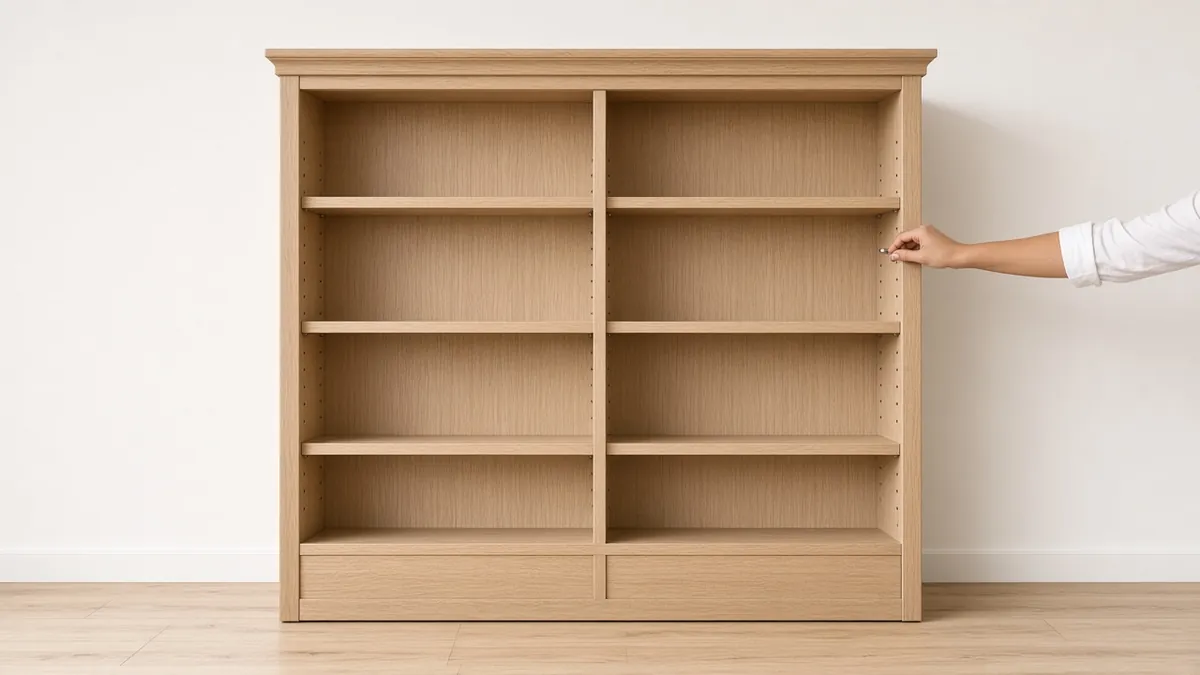
Knowing each section of a bookcase makes product listings much easier to read. These are the parts worth looking at.
The Case, Sides, and Top
The case is the outer box. The two sides, called uprights or stiles, carry the weight of every shelf, so thicker sides usually mean a sturdier unit. The top ties the sides together and often has a small overhang or a crown for a finished look.
Shelves: Fixed vs. Adjustable
Fixed shelves are screwed or glued in place and add rigidity to the frame. Adjustable shelves sit on small metal pins in rows of holes, so you can change the spacing for tall books. Many good bookcases use one fixed shelf near the middle for strength and adjustable shelves elsewhere.
The Back Panel
The back keeps the frame square and stops it from racking side to side. A thin fiberboard back is common on budget bookcases. It is fine if it is nailed or screwed in all around the edges, but a back that only slides into a groove adds less stiffness.
The Base, Plinth, and Toe Kick
The base lifts the bottom shelf off the floor. A solid plinth looks like built-in furniture, while legs show more floor and feel lighter. A small recessed toe kick lets you stand closer without stubbing your feet.
Bays and Face Frames
A bay is one vertical section between two uprights. Wide bookcases are often split into two or three bays, which shortens each shelf span and reduces sagging. A face frame is a strip of wood around the front edges that hides raw particleboard and makes the piece look more finished.
How to Choose a Book Shelf: Sizes and Materials
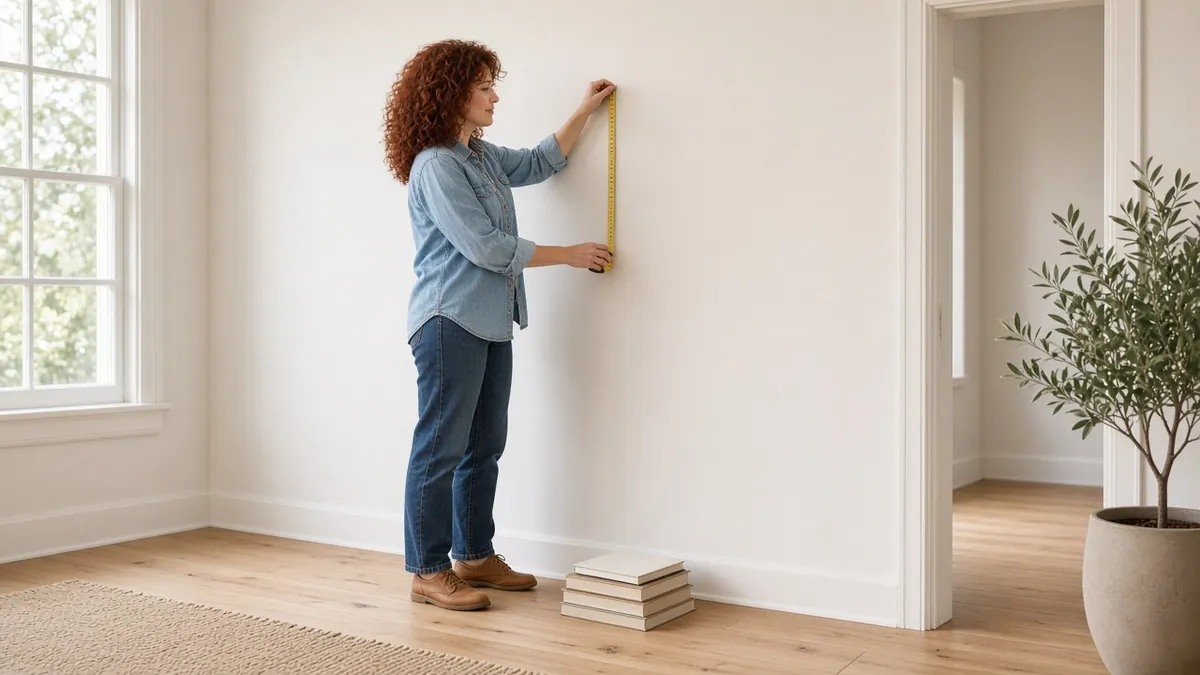
Before you shop, measure the wall, the ceiling height, and any baseboards or outlets. Then check these details on every listing.
Depth
As a rough guide, 9 to 10 inches of depth holds most paperbacks and novels, while 11 to 12 inches suits larger hardcovers and coffee table books. Deeper is not always better. Very deep shelves tempt people to double-stack books, which hides half the collection.
Shelf Height
Many standard hardcovers are roughly 9 to 11 inches tall, so shelf openings of about 11 to 13 inches tend to fit them with room to grab each book. Taller art and photography books may need a 14- to 16-inch opening, which is where adjustable shelves help.
Shelf Span and Sag
Books are heavy, and long shelves bend. A loose rule of thumb is to keep particleboard or MDF shelves under about 30 inches wide for a full load of books, and to look for a center support or multiple bays on anything wider. Solid wood and metal-framed shelves usually handle longer spans better, but always check the listed weight per shelf.
Materials
Solid wood is strong and can be refinished, but it costs more. MDF and particleboard keep prices low and take paint and laminate well, though they dislike moisture and can sag over time. Metal frames add strength and an industrial look, and they pair well with wood-tone shelves. If you love the warm wood look but have a tight budget, a laminate in a walnut or oak finish is a reasonable compromise.
Height and Safety
Tall bookcases can tip, especially with kids or pets climbing or pulling on shelves. Many bookcases come with an anti-tip kit; if yours doesn’t, buy one, and anchor any tall unit to a wall stud. Put the heaviest books on the lowest shelves to keep the center of gravity down.
Best Bookcases for the Most Common Needs
These four picks cover different bookcases styles at approachable prices. All were in stock on Amazon US with ratings of 4.5 stars or higher when this guide was written, but prices and stock change, so check the listing before you buy.
Best Slim Ladder Shelf for Small Spaces
If you want something that looks lighter than a full bookcase, this VASAGLE 5-tier ladder bookshelf is a good fit. It is 22 inches wide, about 67 inches tall, and has around 13 inches between shelves, so it can still hold taller books. It usually costs about $50 to $70 and comes in several finishes.
Best Bookcase With Hidden Storage
For a living room or home office that needs a place to tuck things away, the IRONCK bookcase with lower doors pairs open shelves with a small cabinet at the base. It has a slim, roughly 24 by 9 inch footprint and typically falls in the $80 to $100 range. The shelves are fixed, so measure your tallest books first.
Compare the Picks
Here is how the four options compare at a glance, so you can match each one to your room and budget.
| Product Name | Price Range | Best For | Buy on Amazon |
|---|---|---|---|
| IRONCK 6-Shelf Industrial Bookcase | $60 to $80 | Maximum books on a slim wall | Check Price |
| NUMENN 5-Tier Open Bookshelf | $50 to $70 | Airy styling with books and decor | Check Price |
| VASAGLE 5-Tier Ladder Bookshelf | $50 to $70 | Small rooms and rentals | Check Price |
| IRONCK Bookcase With Doors | $80 to $100 | Hiding clutter below open shelves | Check Price |
How to Style a Book Shelf So It Looks Expensive
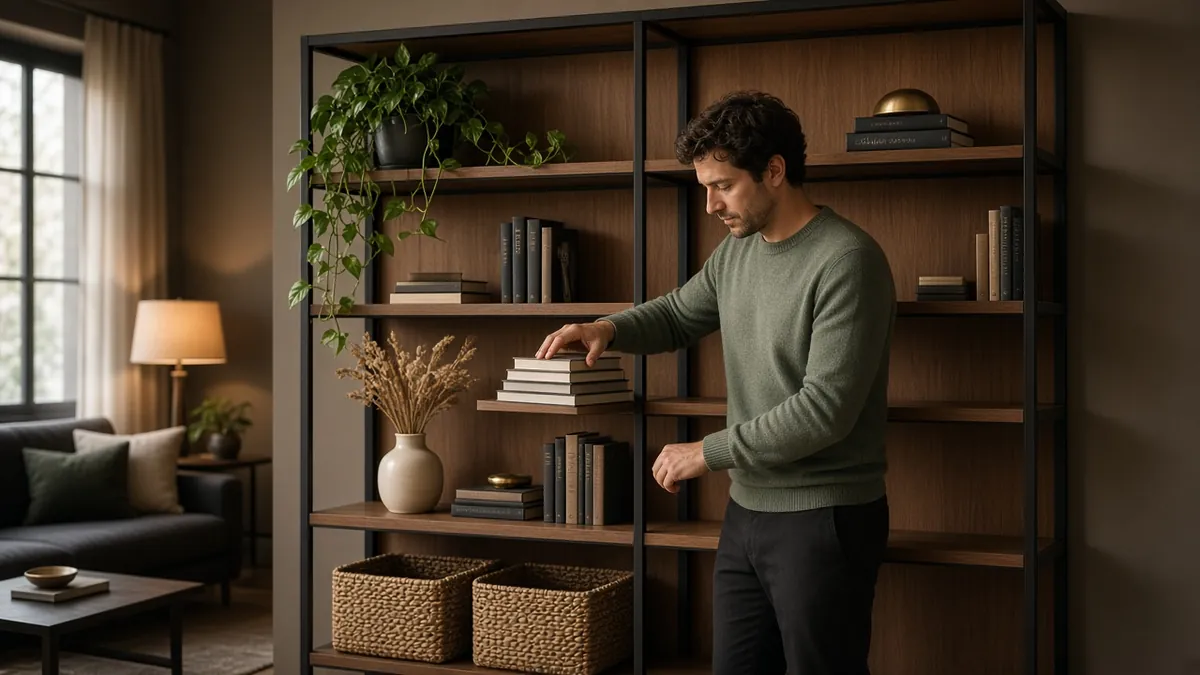
Styling is where an affordable bookcase starts to look high-end. A few simple habits make the biggest difference.
Mix Vertical and Horizontal Stacks
Line up most books upright, then lay a few small stacks flat and set an object on top. That variation breaks up long rows and gives the eye places to rest.
Leave Some Negative Space
A shelf packed edge to edge looks like storage. Leaving roughly a fifth to a third of each shelf open, as a loose guide, makes the whole piece feel curated. Repeat a few objects or colors across different shelves so it reads as one design.
Add Plants, Baskets, and Light
A trailing pothos or a small fern softens hard lines, and woven baskets on the bottom shelf hide clutter. If your plant collection keeps growing, a dedicated plant shelf works better than a bookcase, and our guide to the best plant shelf options for indoor plants covers that separately. A small battery puck light under the top shelf adds an evening glow.
Think About the Whole Wall
Treat the bookcase as part of the room, not a separate island. Balance a tall unit with a lamp or art on the opposite side, and keep the tones in conversation with nearby pieces. Our guide to picking a coffee table uses the same idea of visual weight, and it applies just as well here.
What Actually Matters Most
The best book shelf is the one that fits your wall, your books, and the way you live. Start with type: open bookcases for capacity, ladder shelves for small rooms, cubes for mixed storage, and doors for hiding clutter. Then check depth, shelf span, and the anti-tip kit before you click buy.
Get those basics right and even a budget bookcase can look calm, collected, and expensive. If you are working with a single room, our tips on living in a studio apartment can help you decide where a bookcase earns its space.
Book Shelf FAQ
What is the difference between a bookcase and a bookshelf?
In everyday use, the words mean almost the same thing. A bookcase usually means a freestanding unit with sides, a top, and several shelves, while a bookshelf can mean that same unit or a single shelf on the wall.
How deep should a book shelf be?
As a rough guide, 9 to 10 inches works for most paperbacks and novels, and 11 to 12 inches suits larger hardcovers and coffee table books.
How do I stop bookcase shelves from sagging?
Keep heavy books on shorter spans, look for bookcases with a center support or multiple bays, and choose solid wood or metal-framed shelves for long runs. Moving the heaviest books to the lowest shelves also helps.
Do I need to anchor a bookcase to the wall?
It is a good idea for any tall bookcase, and especially important in homes with kids or pets. If it came with an anti-tip kit, use it; if not, buy one, and anchor the unit to a wall stud.
What are the main types of bookcases?
Common types include standard open bookcases, ladder shelves, cube bookcases, etageres, bookcases with doors, barrister bookcases, corner units, wall-mounted shelves, low bookcases, and built-in style units.