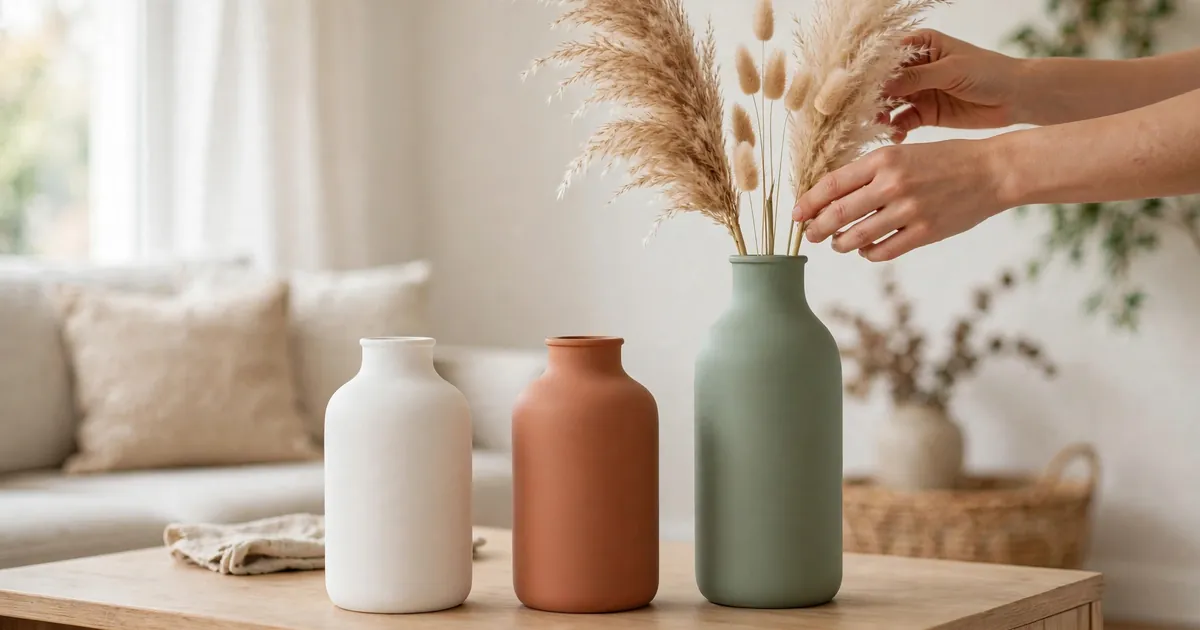
Baking soda paint vase projects turn a plain glass vase into a matte ceramic look with one pantry ingredient. The painting itself takes about an afternoon, plus an overnight cure, and the glass reads as stone or handmade pottery once dry. Mix 2 tablespoons of baking soda into half a cup of paint, brush on 2 thin coats, and let the DIY baking soda paint vase cure overnight.
Below: a DIY glass vase makeover from start to finish, the exact ratio for three finishes, the step by step method, drying and curing times, which vases work best, the water rule, and styling ideas. Once the vase is dry, fill it with stems from our pipe cleaner flower guide, or keep it simple with pampas grass.
This post contains affiliate links. As an Amazon Associate, I earn from qualifying purchases, at no extra cost to you.
What Is the Baking Soda Paint Hack?
Baking soda thickens ordinary water based paint into a soft, grainy paste, and that paste dries matte with a fine stone texture. Florenza Living describes the finish as water based paint thickened with baking soda until it dries matte and slightly grainy, like stone or handmade pottery.
Paint alone cannot do the same job. Plain paint dries smooth and shiny, so a painted glass vase still reads as painted glass. Baking soda breaks up the smooth film that gives paint its sheen, so the finish turns matte and textured at the same time. No chemical reaction is involved, so the mix stays predictable from batch to batch.
Three things decide the result: the ratio, the paint, and the drying time. Too little baking soda leaves a faint chalky coat with almost no texture, and too much turns the paint brittle.
Turning dollar tree vases to designer textured vases is the promise of this project. A faux ceramic vase DIY baking soda finish is the cheapest way to get the handmade pottery look without a kiln, and short baking soda paint vase video clips show the mix in under a minute. An acrylic paint and baking soda vase needs a flat or matte finish for the most convincing stone look, while warm white, sage, sandy beige, and terracotta are the shades that sell it best, and a DIY aged terracotta vase is the easiest first project.
What You Need for a Baking Soda Paint Vase
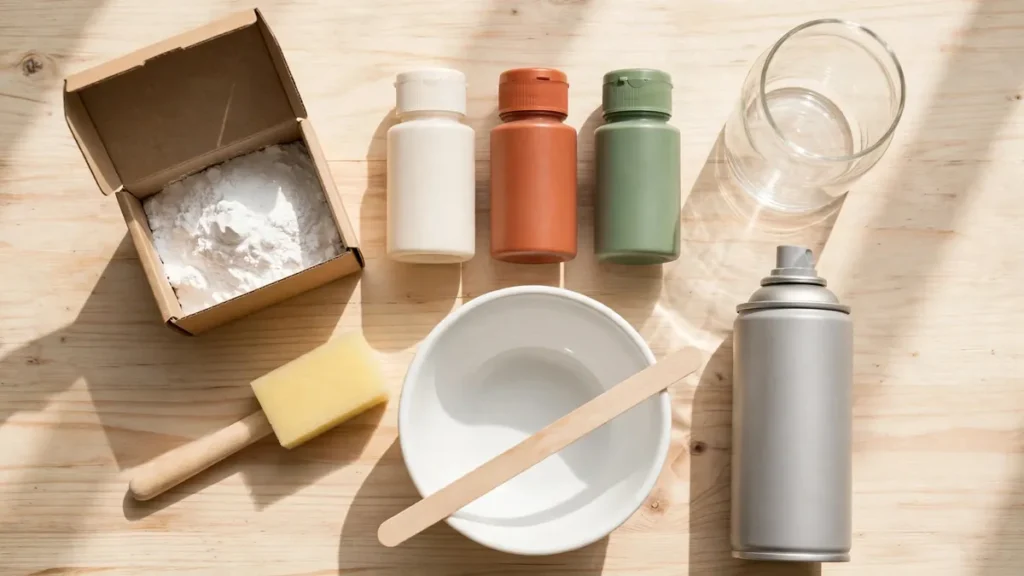
A short list covers the whole project. A plain glass vase from a thrift store or a dollar store is the base, and any clear shape works. Acrylic or chalk paint in a flat or matte finish gives the stone look, and a small bottle covers one medium vase. Baking soda does the texturing, a foam or chip brush moves the thick paint, and a bowl plus a stir stick handle the mixing. A matte sealer spray and coffee grounds are both optional, the sealer for a harder finish and the grounds for an aged look.
- A plain glass vase, 8 to 12 inches tall for a first project
- Acrylic or chalk paint, flat or matte finish, half a cup per vase
- Baking soda, 2 tablespoons per half cup of paint for the standard mix
- A foam brush or a chip brush, 1.5 to 2 inches wide
- A disposable bowl and a wooden stir stick
- Matte sealer spray, optional, for a harder finish
- Coffee grounds, optional, for an aged look
- 220 grit sandpaper, optional, for a light scuff on slick glass
Thrift stores are the best source for an upcycled glass vase, since the shape matters more than the glass. A thrift vase flip starts with the shape, not the color, because the paint covers it completely. Our economy home decor guide has more thrift first ideas.
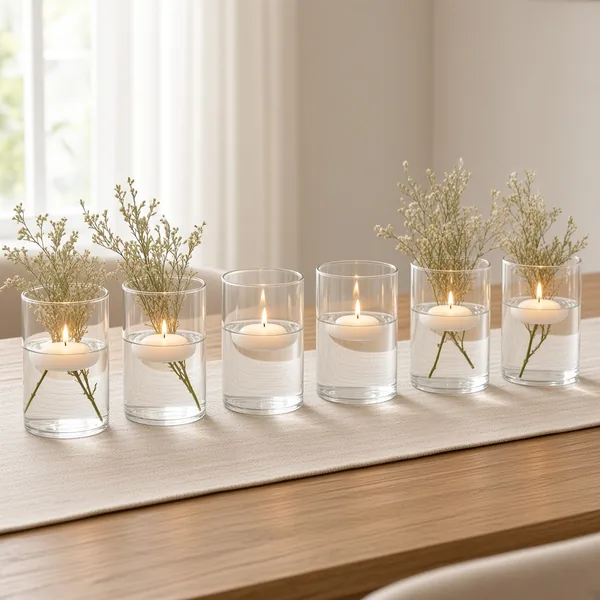
Shop the look: a set of clear glass vases, a tall cylinder vase for pampas stems, and matte acrylic paint for the mix.
| Product Name | Price Range | Best For | Buy on Amazon |
|---|---|---|---|
| Clear Glass Vases | Check current price | The base vase for the whole project | Buy on Amazon |
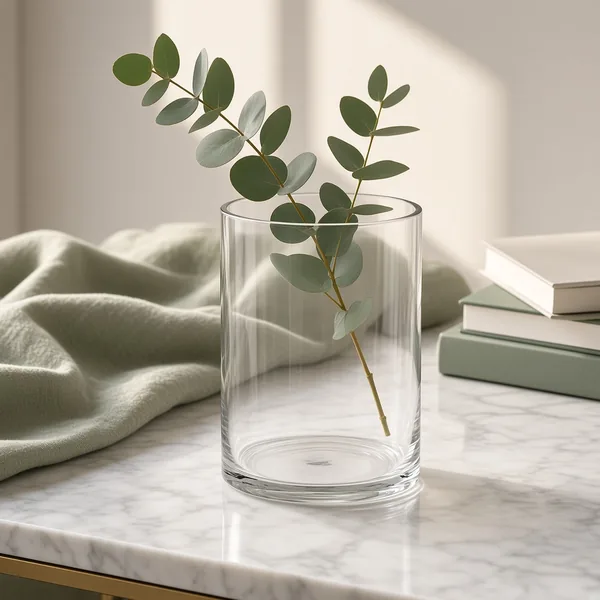
| Hand-Blown Clear Glass Cylinder Vase, 6×8 Inch | Check current price | Tall stems like pampas | Buy on Amazon |
| Pampas Grass | Check current price | Styling the finished vase | Buy on Amazon |
| Matte Acrylic Paint Set | Check current price | The paint for the baking soda mix | Buy on Amazon |
Start with the two glass vases and the paint. The pampas comes last, once the vase is dry and sealed.
OUR TOP PICKS
Hand-Blown Clear Glass Cylinder Vase, 6×8 Inch
Tall and straight, made for pampas stems and long eucalyptus.
Check on Amazon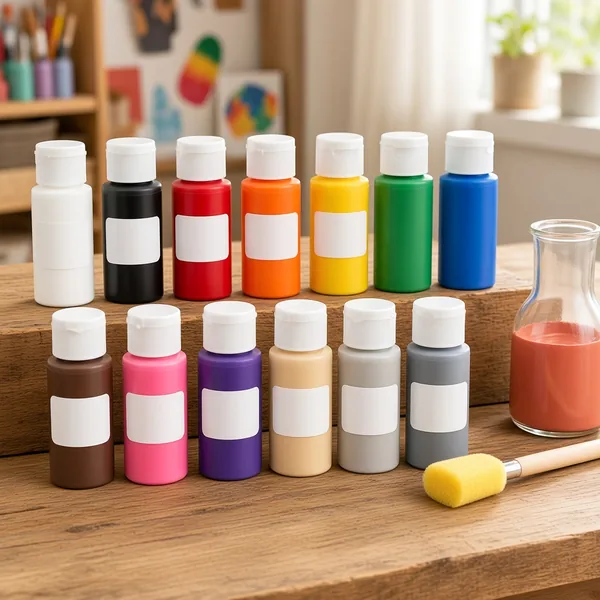
Matte Acrylic Paint Set
Flat, matte colors that dry chalky, the finish this hack needs.
Check on AmazonHow Much Baking Soda Do I Mix Into Paint for a Vase?
Two tablespoons of baking soda per half cup of paint is the standard mix for a vase, and that ratio gives a clear stone texture without turning the paint into paste. DIY Everywhere uses exactly that mix, and top pins cite 2 to 3 tablespoons per half cup.
| Finish | Paint | Baking soda | Best for |
|---|---|---|---|
| Soft matte, light texture | 1 cup | 1 tablespoon | First coats and small pieces |
| Standard stone, the vase finish | 1/2 cup | 2 tablespoons | Vases and planters |
| Heavy stucco, deep relief | 1/2 cup | 1/4 cup | Chunky planters and candle holders |
Start with the standard mix, and add baking soda a spoonful at a time until the paint holds soft peaks.
Quick Tip: mix enough paint for the whole vase in one batch, both coats included, because matching the color exactly in a second batch is nearly impossible once baking soda changes how the pigment reads.
Lighter mixes exist for a reason. Kenarry uses 2 tablespoons per cup for a lighter grain, and Florenza Living lists 1 tablespoon per cup for a gentle chalky finish with only a whisper of texture. A DIY textured stone ceramic vase needs the standard mix, not the soft one, since the texture is the whole point. Go heavier than the standard mix and the paint turns brittle and crumbles, so the heavy mix belongs on chunky planters, not on a vase. Cover the bowl tightly between coats, since the mix dries out faster than plain paint.
How to Paint a Vase With Baking Soda, Step by Step
DIY ceramic vase painting takes seven steps from a plain glass vase to a matte ceramic look, and the longest part is the waiting between coats.
- Wash the vase in warm soapy water, rinse, and dry it fully. Wipe the outside with white vinegar or rubbing alcohol to lift grease.
- Scuff slick glass lightly with 220 grit sandpaper, then wipe away the dust. Skip this step on terracotta.
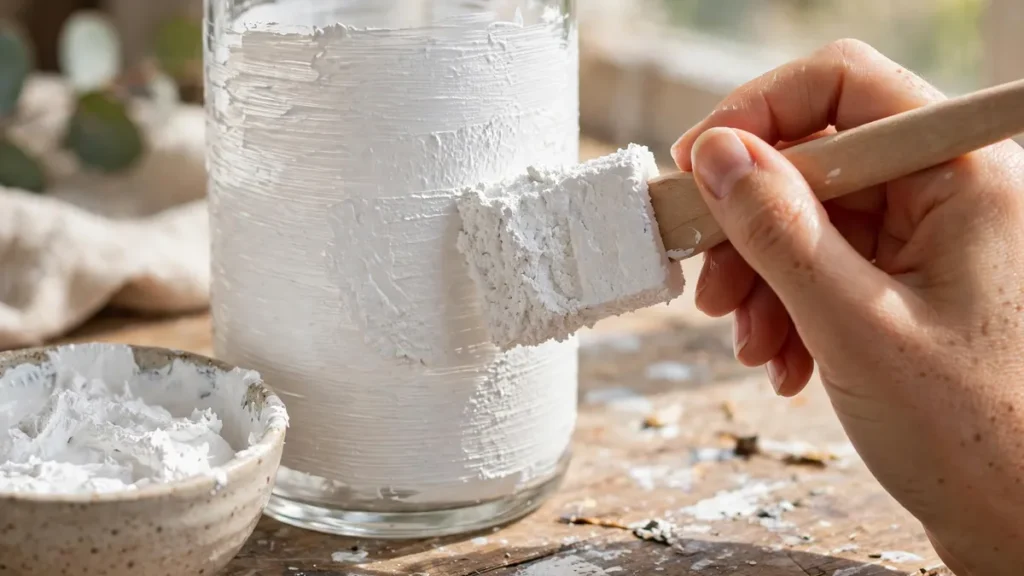
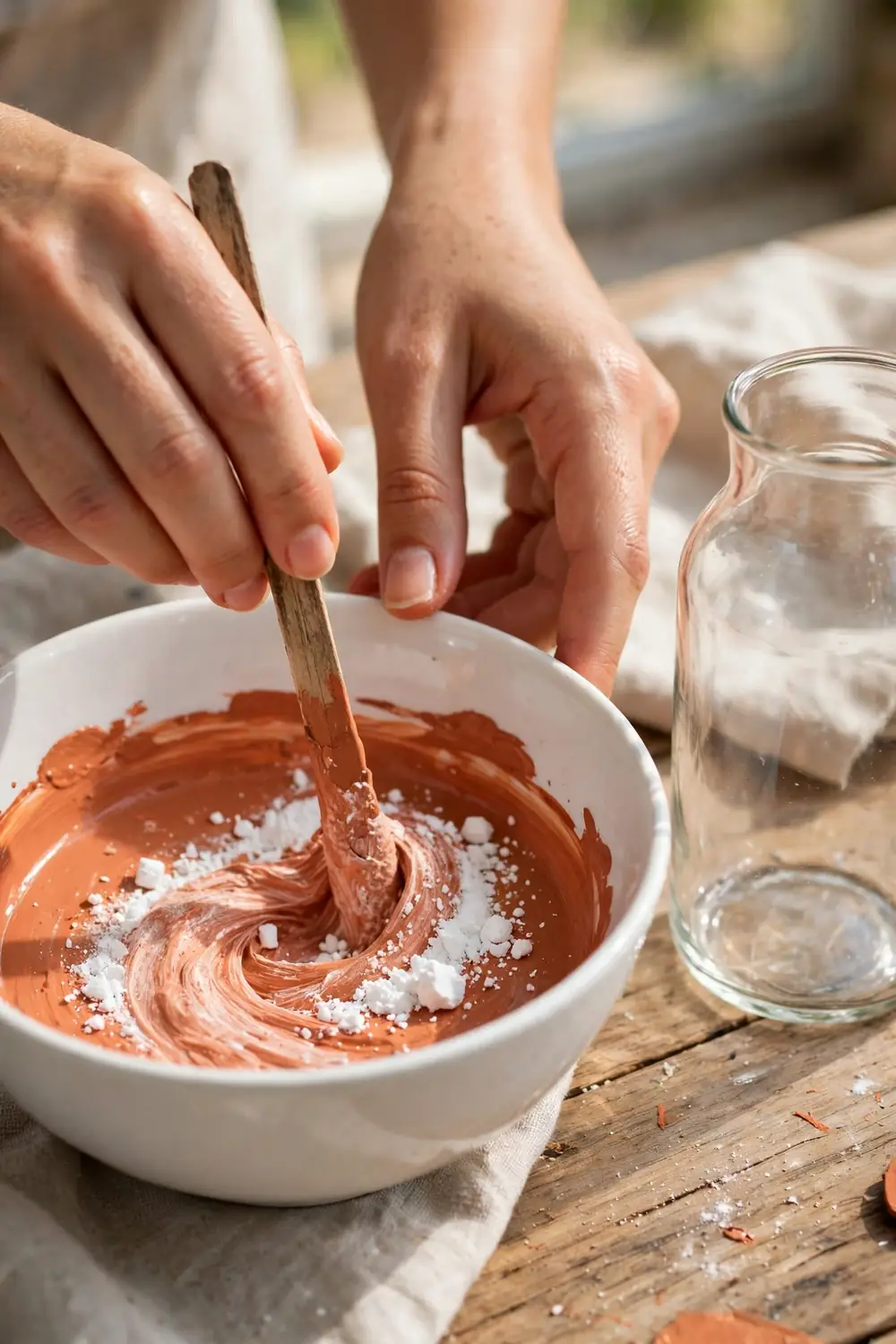
- Stir 2 tablespoons of baking soda into half a cup of paint in a disposable bowl, a spoonful at a time, until the mix turns thick and fluffy like soft frosting, and mix the whole batch now, both coats included.
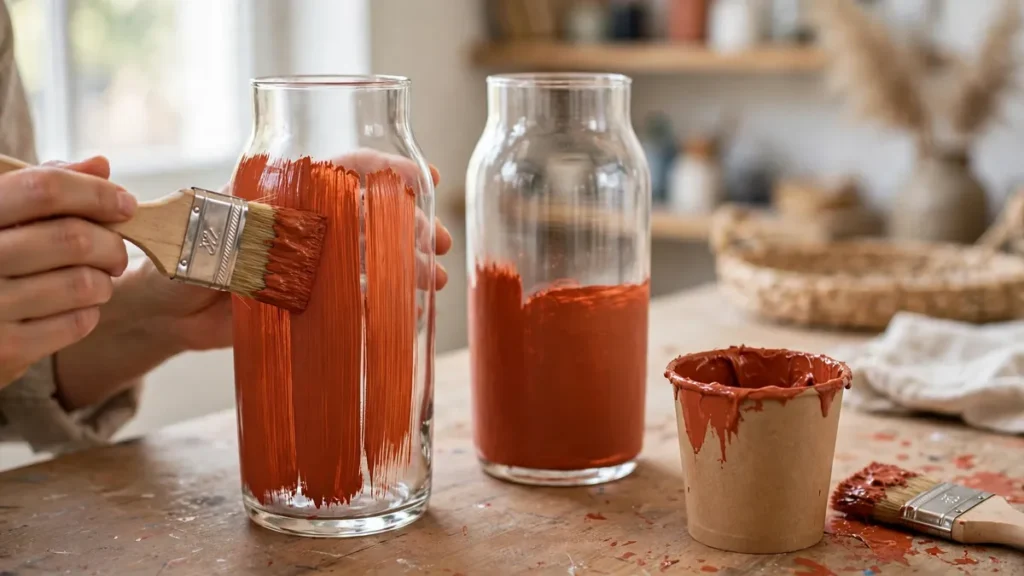
- Paint a glass vase with baking soda in circular or horizontal strokes, working all the way around the vase. Circular strokes copy the spin of a wheel thrown pot.
- Let the first coat dry to the touch, about 20 to 40 minutes, then wait at least 1 hour before the second coat, or 2 hours for the standard mix. Press a fingertip to a hidden spot, and wait longer when the paint still feels cool.
- Brush on the second coat a little more thickly, with extra paint around the rim, the curves, and the lower body. Dab the paint on with short patting strokes, since dabbing leaves little peaks that catch the light.
- Let the vase cure overnight before styling it, and mist on a light matte sealer only when the paint feels fully hard. Leave the bottom unpainted until the sides are dry, then paint the base.
How long does baking soda paint take to dry?
A thin first coat feels dry to the touch in about 20 to 40 minutes, but the paint underneath is still soft. Wait at least 1 hour between coats for a thin mix and 2 hours for the standard finish. Curing takes about a full day, so let the vase sit overnight.
Which Vases Work Best (and Which to Skip)
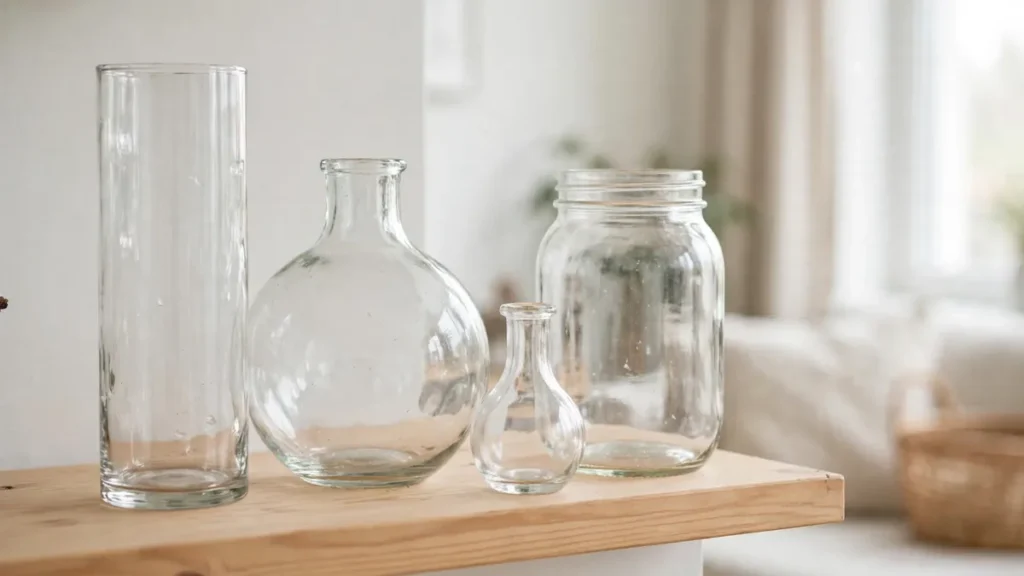
The upcycled vase DIY works on any glass shape, so pick the vase by what will stand in it. A tall cylinder suits pampas grass and long stems, a round vase suits a mantel grouping, and a small bud vase suits a nightstand or a desk.
Skip cracked glass, because paint pools in a crack and dries darker there. Skip plastic for a first project, since the paint scratches easily and needs sanding before it grips. Skip any vase meant for fresh flowers unless a jar can slip inside it, because standing water softens the paint from the inside. Thrift stores and dollar stores are the best sources, and a florist vase from long ago works as well as a new one.
How to Seal a Baking Soda Paint Vase for Real Flowers
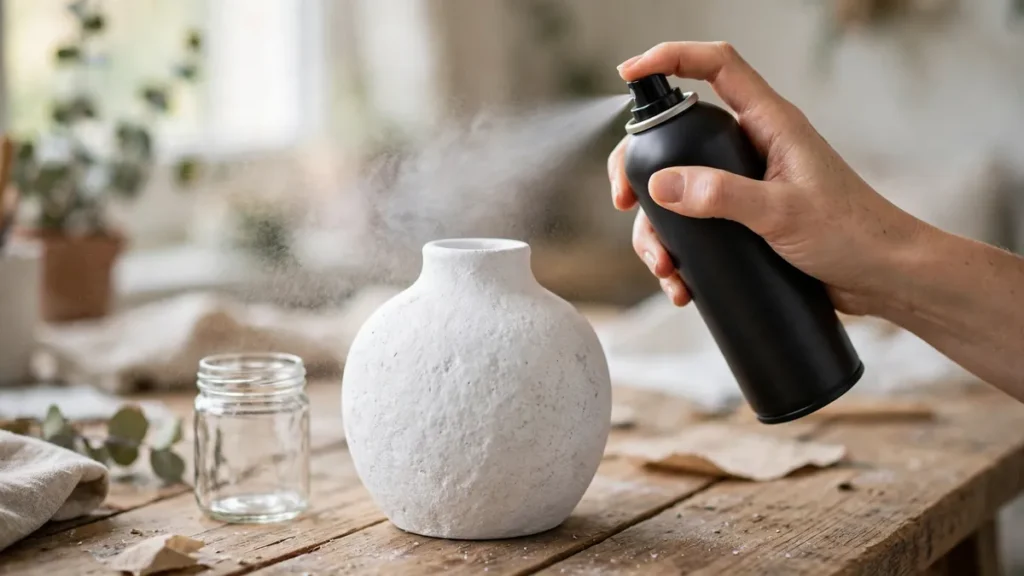
Sealing decides whether the vase still looks good in six months, and the water rule decides whether it survives fresh flowers at all. Unsealed baking soda paint is soft, so it marks easily, and a light matte sealer spray gives the finish a harder skin without adding shine.
Can I put fresh flowers in a painted vase?
Never pour water straight into a painted vase, and never paint the inside or the inside rim, since water breaks the paint down from the inside. Slip a small glass or jar inside to hold the water, and use the painted vase for dried stems when no jar fits.
Outdoor use has the same limit. Hard rain and soaking moisture shorten the life of the texture, so keep painted vases indoors or on a covered porch. Dust the finish with a dry cloth, and handle the vase by the lower body instead of the rim.
Want More DIYs That Look Expensive for Less?
Grab the free room by room styling checklist, plus weekly decor tips.
5 Mistakes That Ruin a Baking Soda Paint Vase
Most stone texture vase DIY projects fail in the same five ways. Read the list before mixing the paint, not after the second coat.
- Too much baking soda. Past the heavy mix, the paint turns brittle, cracks as it dries, and crumbles when handled. Measure the soda, and stop at 2 tablespoons per half cup.
- One thick coat instead of two thin ones. Too much paint at once slumps on glass and looks gummy. Two thin coats always beat one heavy coat.
- Brushing back over half dry paint. Going back over a section that has started to skin drags the surface and leaves bald streaks. Wait until the coat is fully dry, then add the next one.
- Painting the inside of the vase. Water softens the paint from the inside, and the finish fails first where the water sits. Leave the inside bare, and slip a jar inside.
- Styling the vase before it cures. Handling a vase that has only dried to the touch smudges the finish and leaves fingerprints in the texture. Let the vase cure overnight.
How to Style a Baking Soda Paint Vase
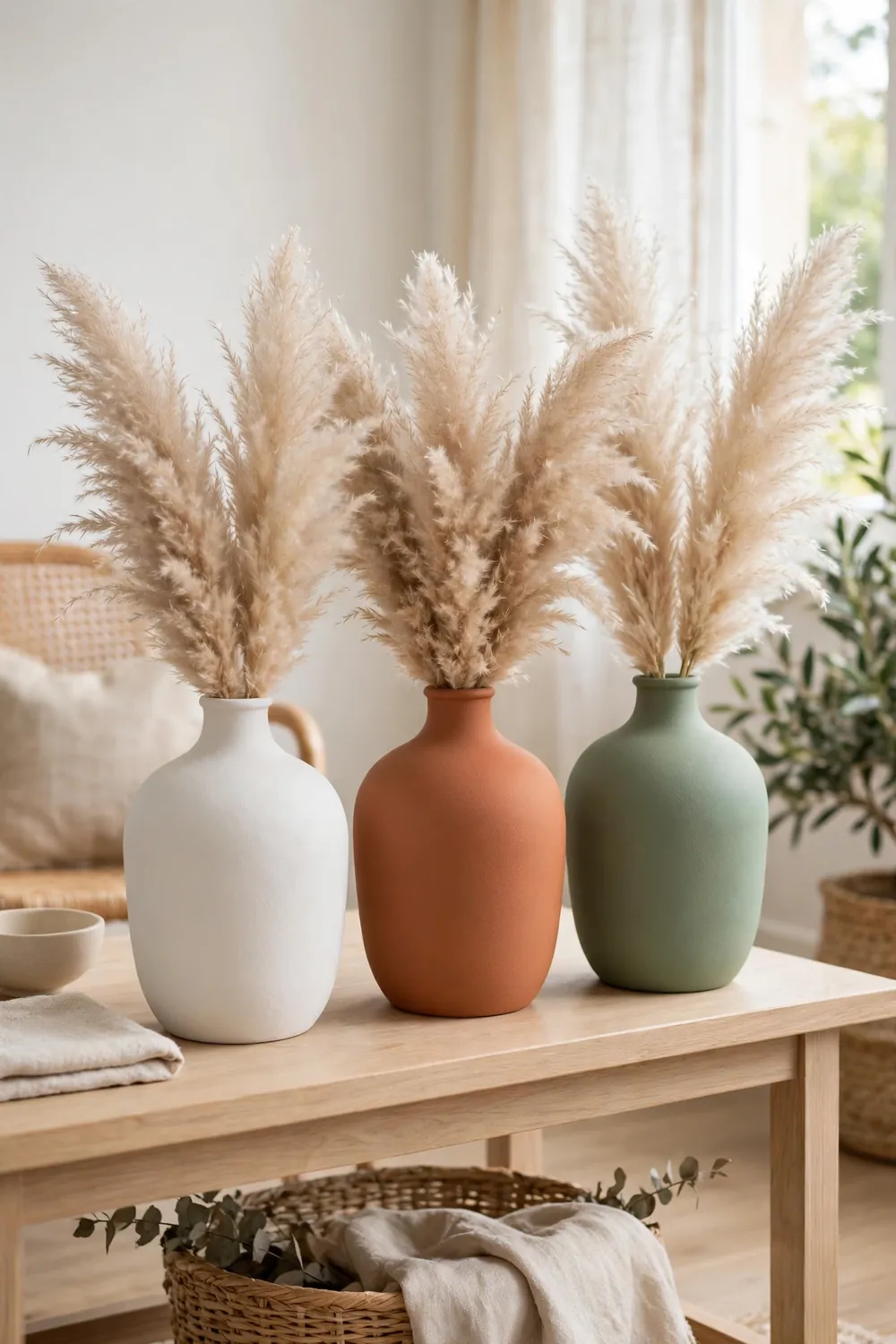
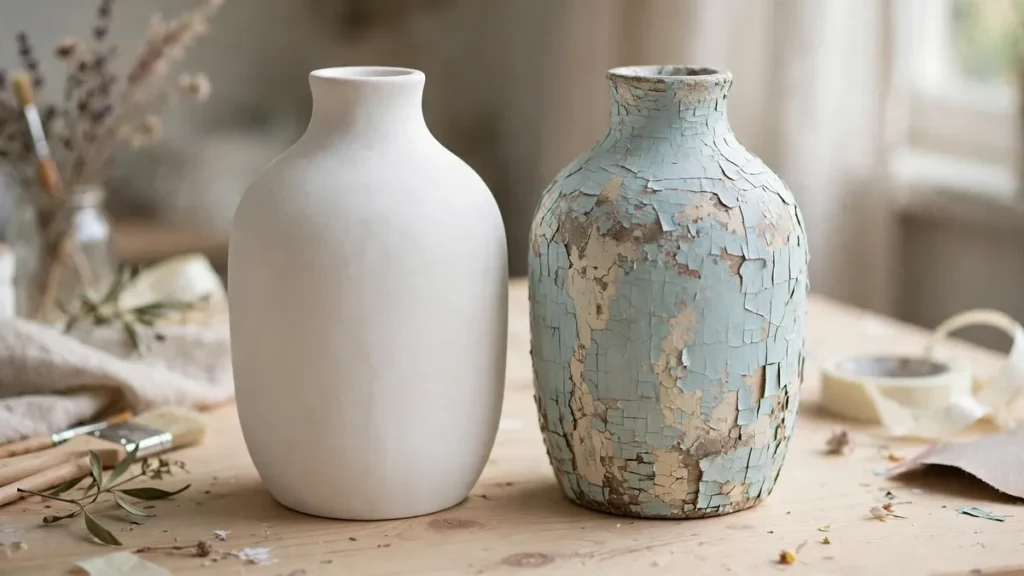
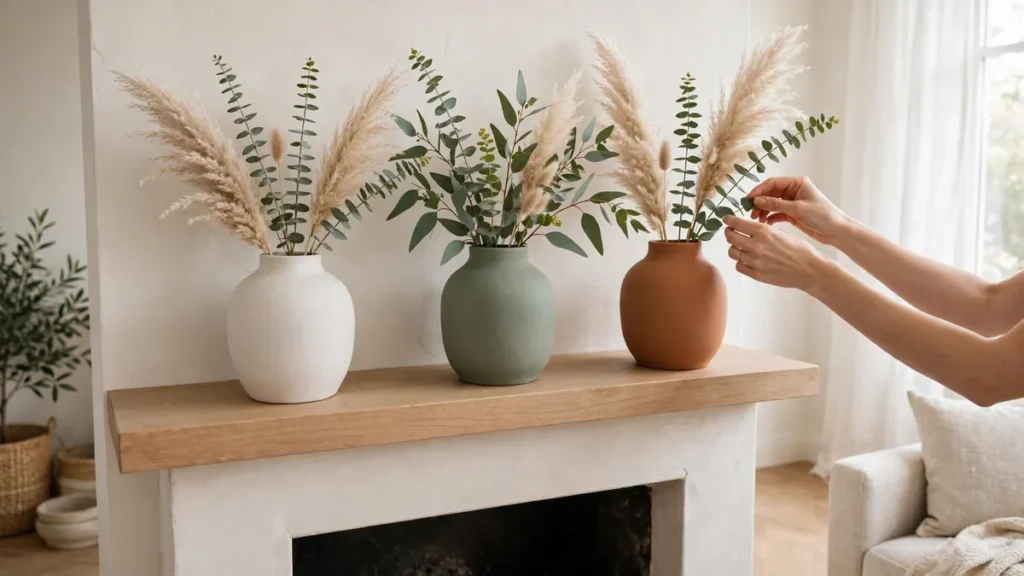
Baking soda paint vases look best in a small group, so paint three in one palette and stagger the heights. Ceramic vase painting ideas work in any palette, and warm white, sage, and terracotta sit well together, with one tall cylinder plus two rounder shapes for a collected look.
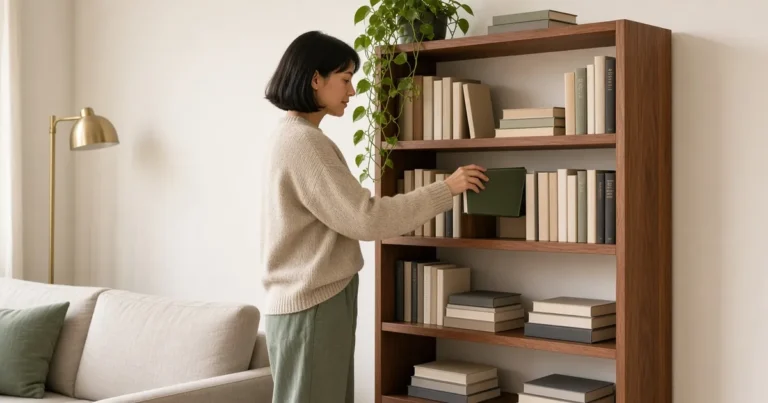
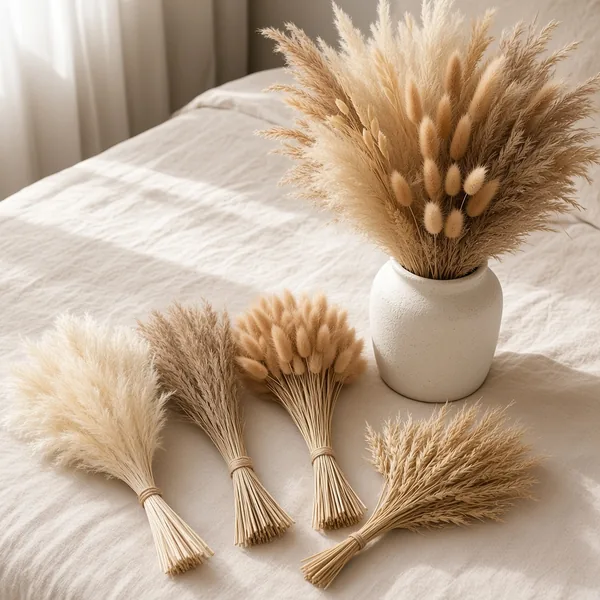
Pampas grass fills a tall vase with one bunch, eucalyptus suits a narrow neck, and dried flowers suit a wide mouth. Style the group on a mantel or a shelf, and turn the most textured side forward. Our modern fireplace mantel guide plans a mantel display, our book shelf guide plans a shelf, and our best plant shelf guide plans a plant shelf for the same grouping.
A small space needs only one vase. A DIY matte paint vase with eucalyptus stems fits a nightstand, a desk, or a bathroom shelf.
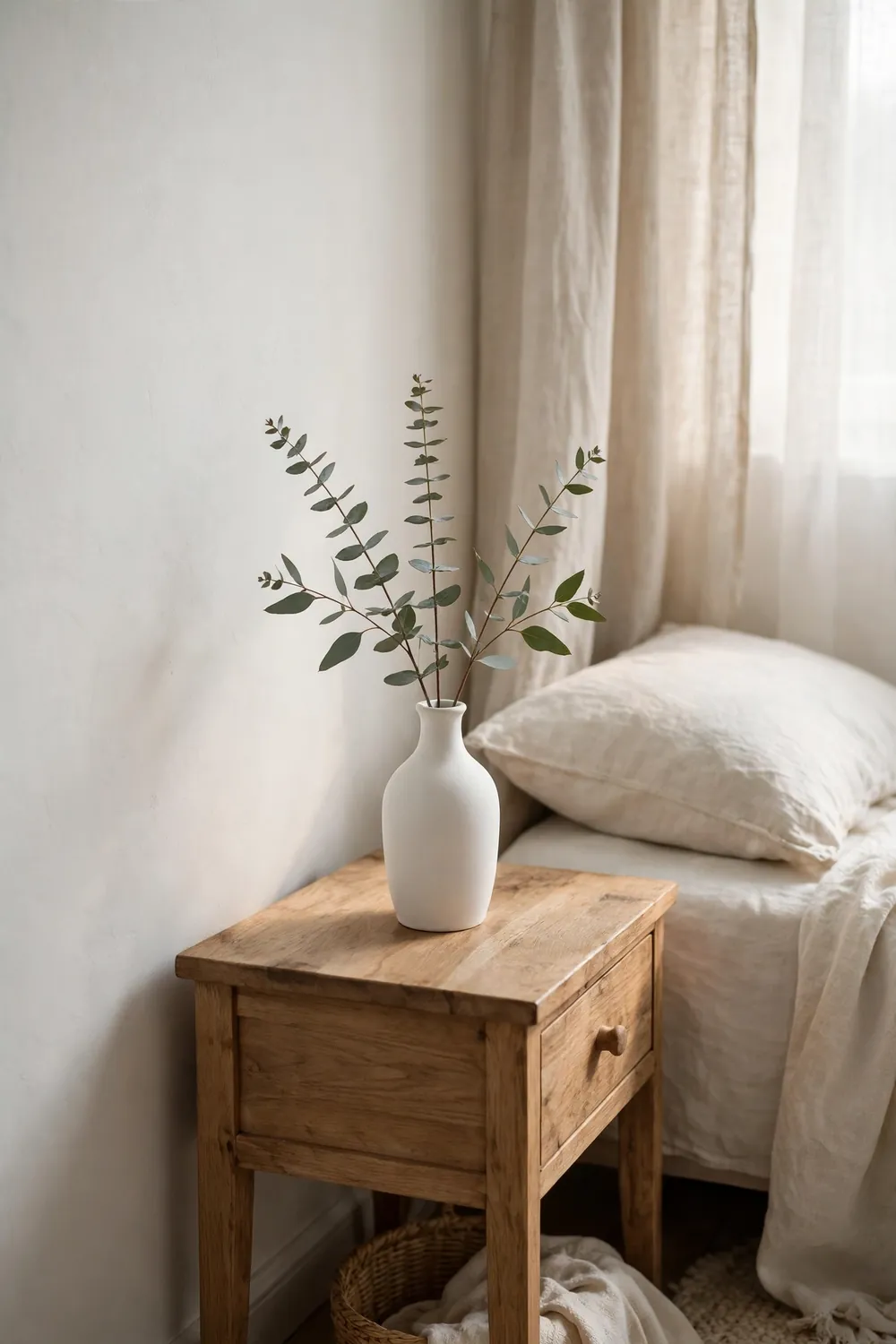
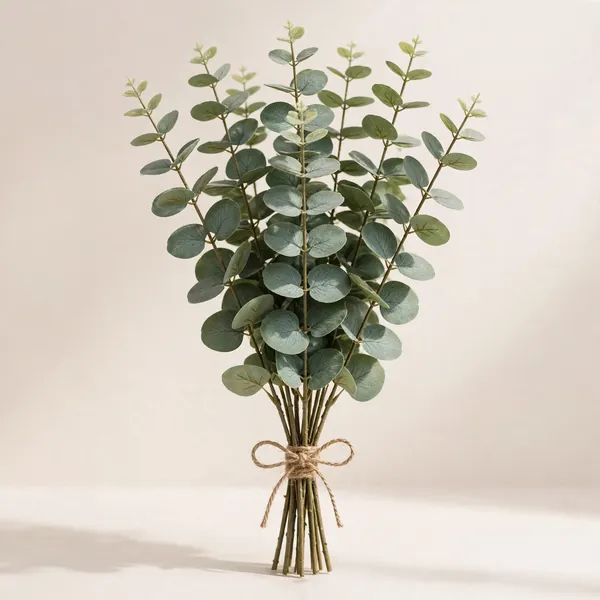
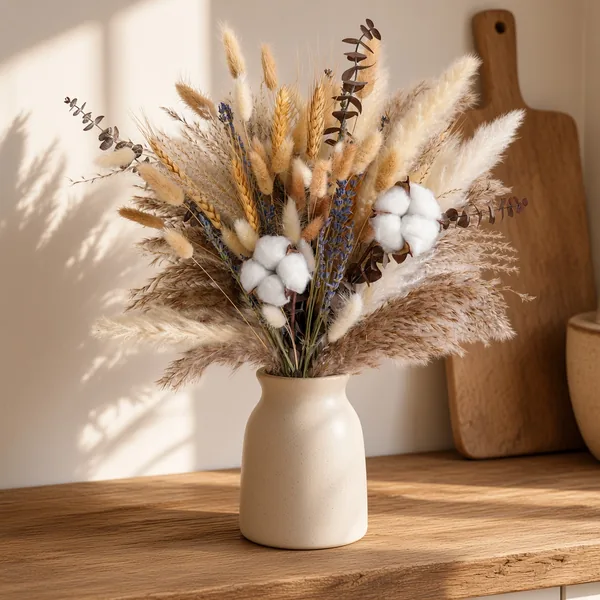
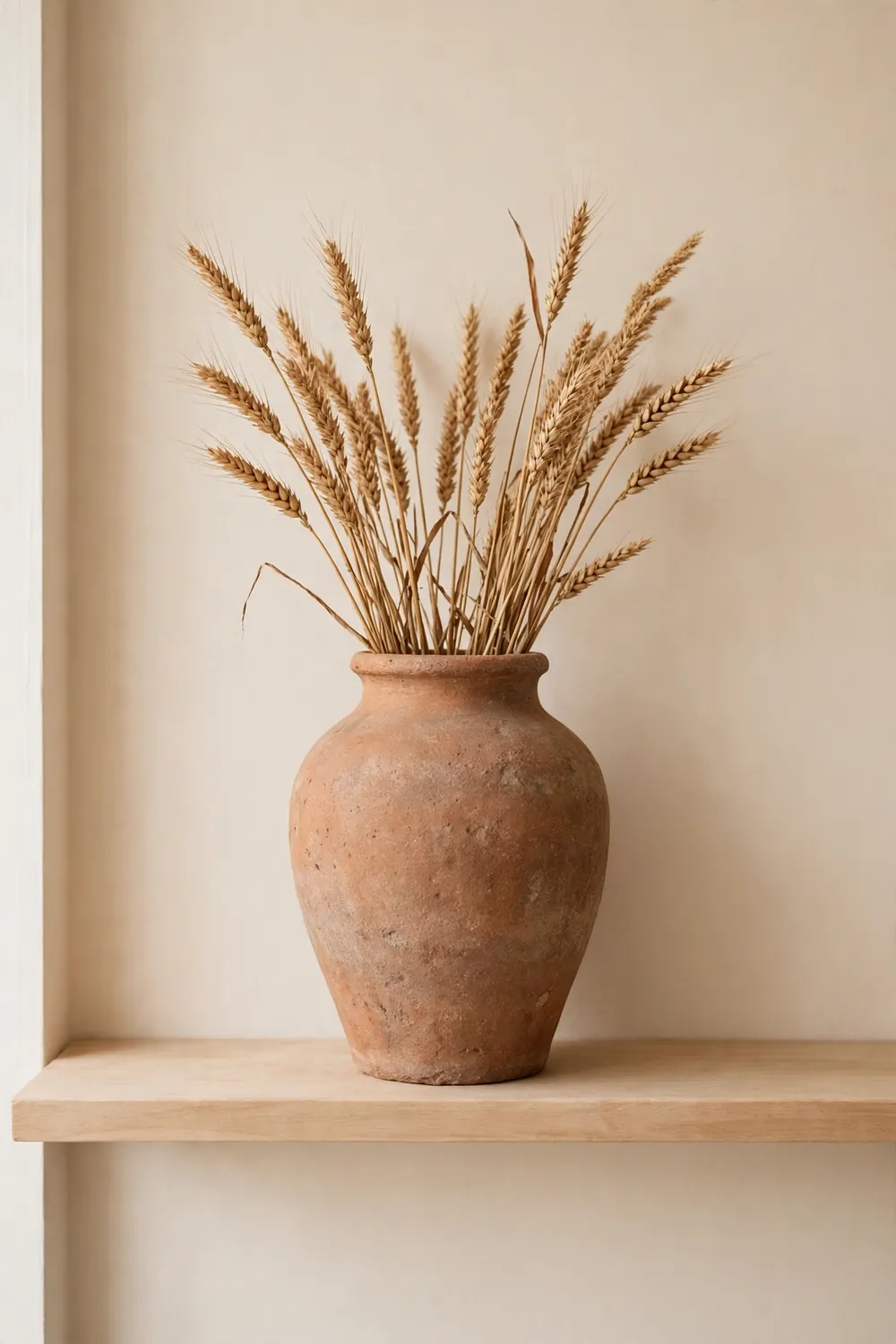
Shop the look: pampas grass, artificial eucalyptus, and dried flowers give the finished vase three different looks.
MORE PICKS WE LIKE
What Actually Matters Most
The ratio, the drying time, and the water rule are the whole project. Get the mix right, let each coat dry fully, cure the vase overnight, and keep water in a jar inside, and a thrifted glass vase looks like a ceramic piece from a good shop.
Baking Soda Paint Vase FAQ
How much baking soda do I mix into paint for a vase?
Mix 2 tablespoons of baking soda into half a cup of paint for the standard stone finish. Use 1 tablespoon per cup for a soft matte coat, and a quarter cup per half cup for a heavy finish.
Can I put water in a baking soda painted vase?
Never pour water straight into a painted vase. Slip a small glass or jar inside to hold the water, and keep the painted vase for dried stems when no jar fits. Never paint the inside or the inside rim.
What kind of paint works with baking soda?
Acrylic or latex paint in a flat or matte finish works best, and chalk paint works too. Oil based paint stays tacky, spray paint cannot take the powder, and gloss paint fights the matte look.
How long does baking soda paint take to dry?
A thin coat feels dry to the touch in about 20 to 40 minutes. Wait at least 1 hour between coats for a thin mix and 2 hours for the standard finish, then let the vase cure overnight.
Does baking soda paint wash off?
Water and rough handling damage unsealed baking soda paint, so seal it after it cures, keep it indoors, and dust it with a dry cloth.
Can I paint a ceramic vase with baking soda paint?
Yes, a vase makeover DIY ceramic finish works on glazed ceramic, and unglazed terracotta takes it best of all because the porous surface drinks in the first coat. Check glazed pieces for chips first, since paint pools in a crack.