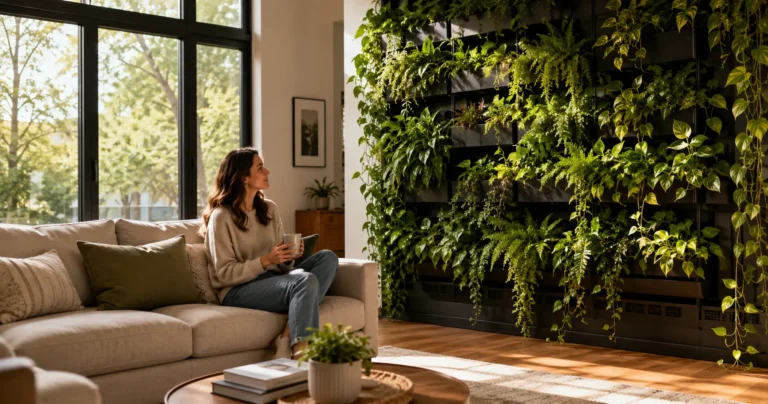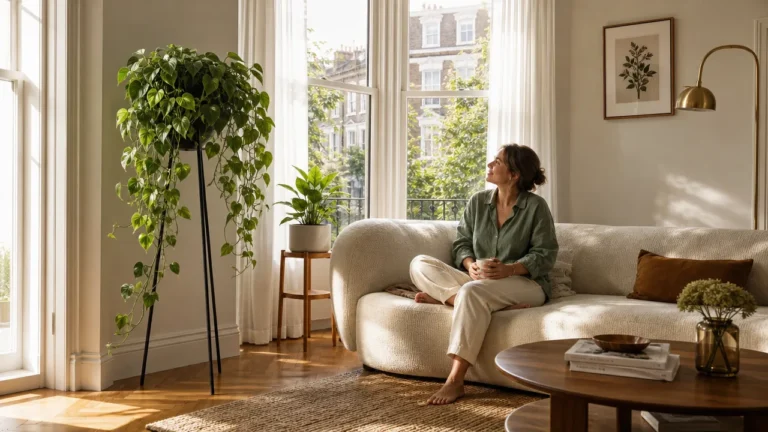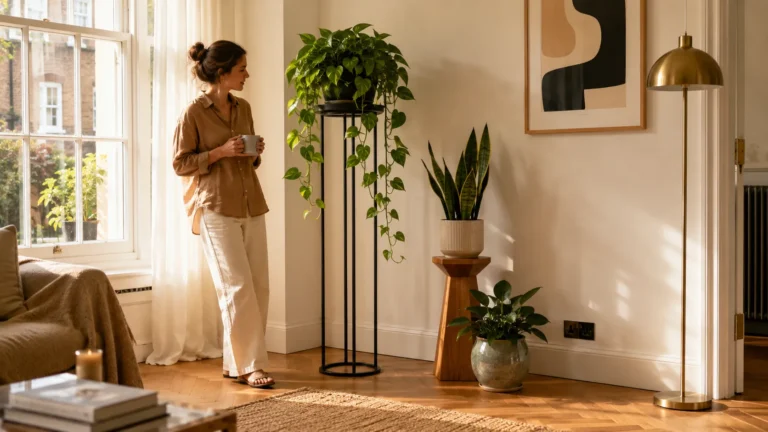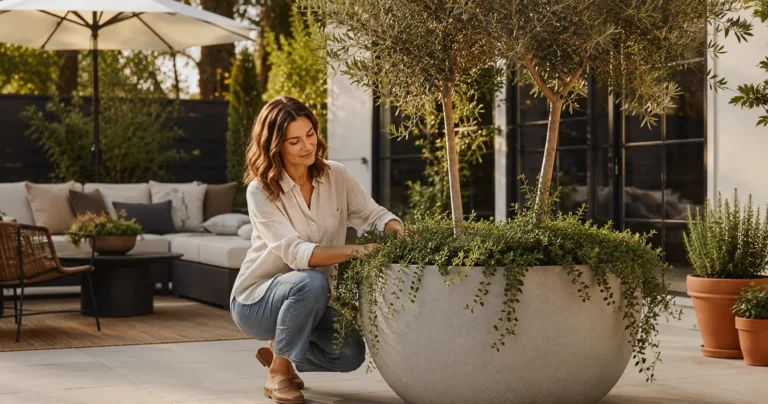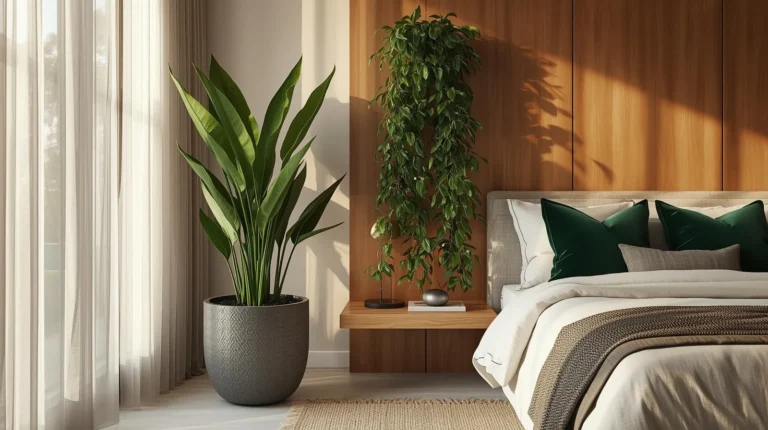
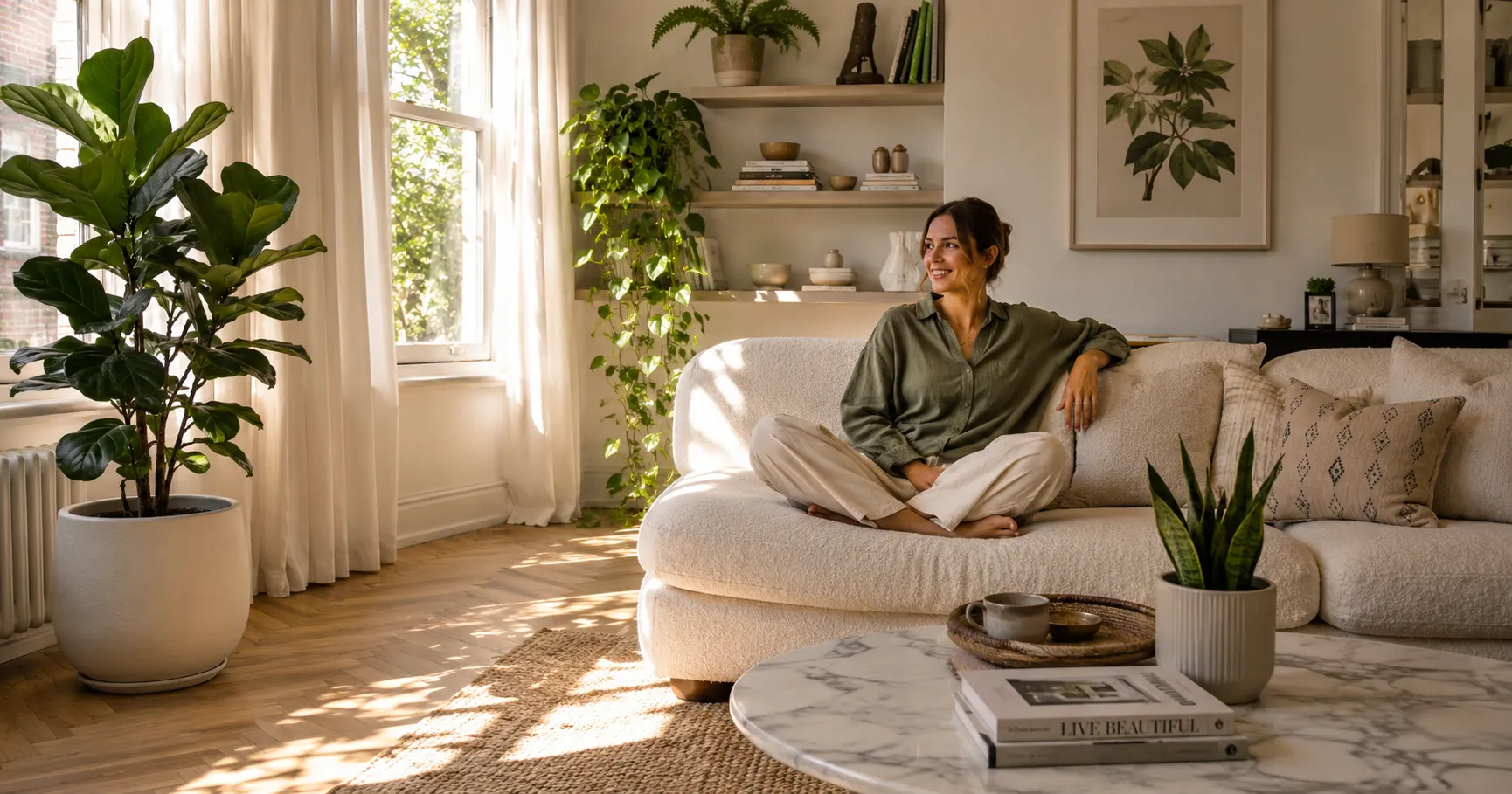
To style indoor plants, start with one large anchor plant, then add medium and small plants at different heights, group them in odd numbers, and choose pots that match your decor style. Pick each plant for the light it will actually get, and leave some open space so every plant has room to stand out.
That is the whole method in a nutshell. Below, we will walk through it step by step, like a friend helping you rearrange the living room: how to choose plants by size, shape and texture, how to group and layer them, which pot colors suit which style, and what to put in each room. If you are looking for stands, shelves, ladders or hanging setups, those live in our guide to house plant display ideas. This one is all about styling.
This post contains affiliate links. As an Amazon Associate, I earn from qualifying purchases, at no extra cost to you.
Top Picks at a Glance
- Best matching pot set: LE TAUCI white ceramic pots, a set of three in graduated sizes (about $25 to $30)
- Best budget pots: terracotta pots with saucers, a 6 pack of 6 inch pots (about $20 to $25)
- Best for adding height: Umbra Triflora hanging planter, three tiered pots for a window (about $35 to $45)
Why Styled Plants Make a Room Look Better
Plants bring organic shapes into rooms full of straight lines, which instantly softens hard edges. Styled well, they also add height, fill awkward corners and guide the eye around the space.
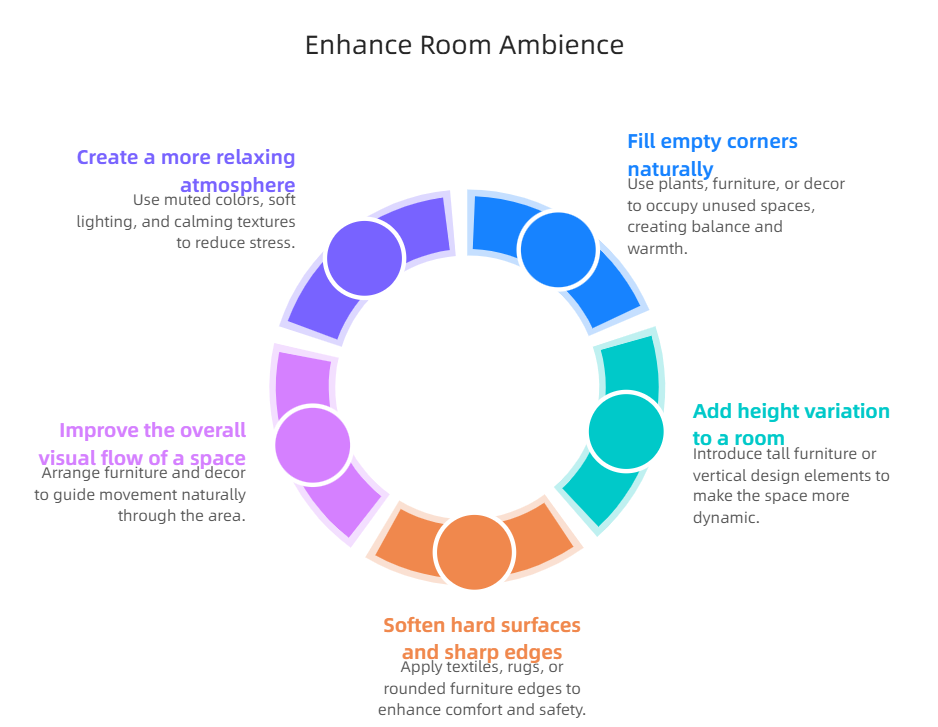
The difference between a room with plants and a room styled with plants is intention. A few well-placed plants that relate to each other and to the furniture usually look better than a dozen scattered pots.
How to Style Indoor Plants in 6 Easy Steps
Use this method for any room. Work through it in order and you will avoid most of the common mistakes before they happen.
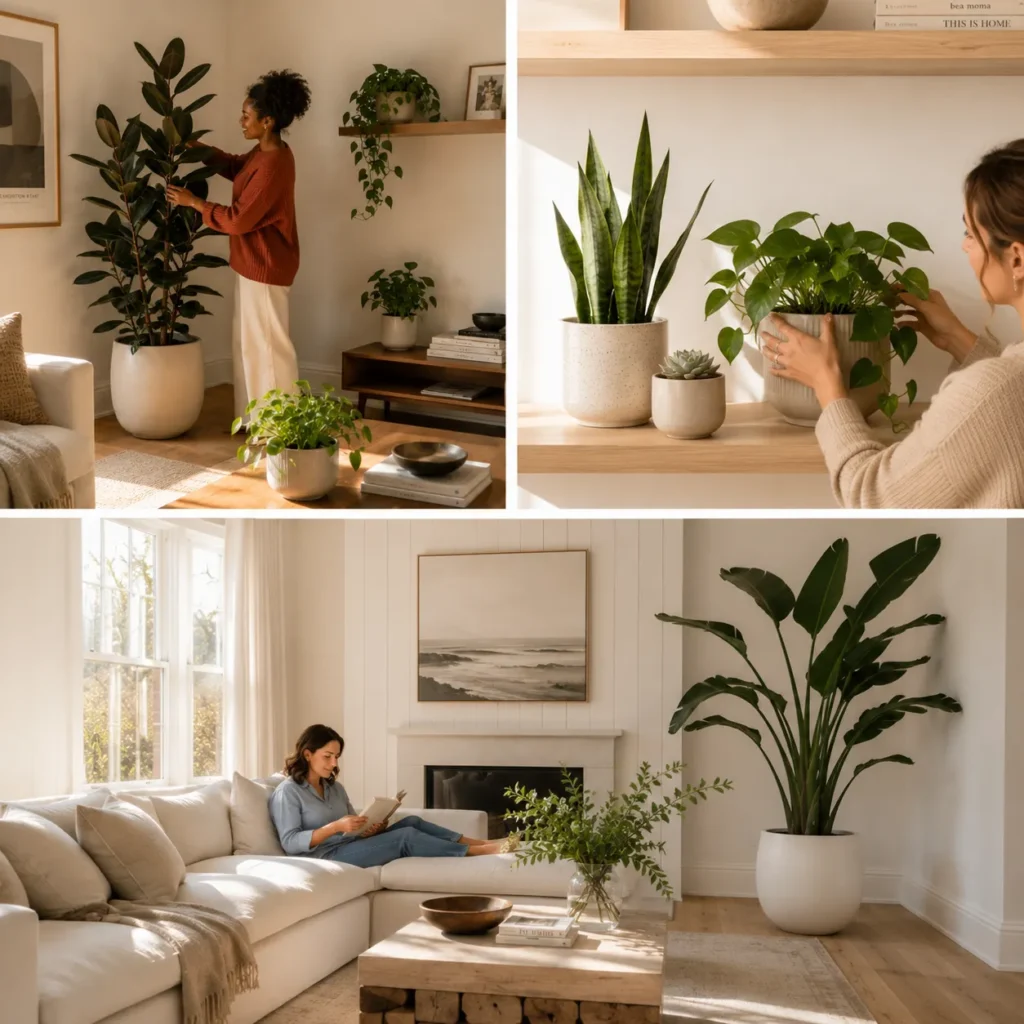
Step 1: Check the Light First
Light decides which plants will thrive, so it comes before style. Stand where the plant will go at midday. Bright light casts a crisp shadow, medium light a soft one, and low light barely any. A plant that suits the light stays full and healthy, and a healthy plant always looks better styled.
Step 2: Choose One Anchor Plant
Every arrangement needs a hero. In most rooms that is a floor plant around 3 to 6 feet tall, such as a rubber plant, olive tree or bird of paradise. Put it in a corner, beside a sofa or next to a window frame, where it balances the visual weight of your largest furniture.
Step 3: Build Scale with Medium and Small Plants
Next, add a tabletop plant at roughly half the anchor’s height and one or two small plants for shelves or side tables. A simple ratio to remember is large, medium and small. This gives the eye a path to follow instead of one flat line of green.
Step 4: Mix Shape and Texture
Combine at least two plant shapes. Upright plants like snake plants add structure, arching plants like ferns soften, trailing plants like pothos add movement, and bushy plants fill space. Pair big glossy leaves with fine or feathery ones so each plant looks distinct.
Step 5: Pick Pots That Match Your Style
Pots carry as much style as the plants. Choose one main material and color family for the room, then repeat it two or three times. We cover which pots suit which style further down.
Step 6: Edit and Leave Breathing Room
Step back and remove one thing. Leaving clear space around a statement plant, what decorators call negative space, lets it read as intentional. If a corner feels busy, move a small plant somewhere else rather than adding another.
Grouping Plants in Odd Numbers and Layering Heights
Grouping is where indoor plant styling starts to look polished. A cluster of plants reads as one deliberate shape, which is calmer than many single pots spread around the room.
Why Odd Numbers Work
Groups of three or five feel more natural than pairs, because the eye cannot split them into matching halves. A trio also makes it easy to vary height, with one tall, one medium and one low plant. Pairs still work for symmetry, such as two matching plants either side of a console or bed.
How to Layer Heights
- Back or outer edge: the tallest plant, usually on the floor.
- Middle: a medium plant on a low stool, stack of books or side table.
- Front: a small or trailing plant at the lowest level.
- Shape: aim for a loose triangle, so the tops of the plants step down rather than line up.
Keep pots in the group related, either the same material in different sizes or the same color in different finishes. That single link holds the arrangement together even when the plants are very different.
Choosing Plants by Size, Shape and Texture
Think of plants the way you think of furniture: some are big statement pieces, others are accents. Matching the plant to the job makes styling much easier.
- Statement (3 feet and up): rubber plant, olive tree, bird of paradise, monstera. Use one per zone.
- Upright and structural: snake plant and ZZ plant. Great for modern rooms and narrow spots.
- Soft and arching: ferns and palms. They soften corners and bedrooms.
- Trailing: pothos and other vines. Let them spill from a high shelf or the edge of a cabinet.
- Small accents: herbs, succulents and small ferns for windowsills and tabletops.
For texture, mix at least one glossy leaf (rubber plant, ZZ) with one fine or matte leaf (fern, olive). Contrast keeps a group from looking like a single green blur.
Pot Color and Material by Decor Style
The pot is the easiest place to tie plants into your decor. Here is a quick guide to which pots suit each style.
- Modern: matte white, black or gray ceramic, concrete or fiberglass in simple cylinders.
- Scandi: white or pale gray ceramic and light wood stands, kept simple.
- Japandi: textured stoneware in sand, charcoal or clay tones, low and wide.
- Boho: woven baskets, macrame and mixed patterns, with terracotta for warmth.
- Farmhouse: galvanized metal, crocks, woven baskets and whitewashed terracotta.
- Mediterranean: classic terracotta and glazed blue or cream pots.
- Hamptons and coastal: crisp white ceramic, rattan and soft blue accents.
If you want one neutral set that suits most styles, a matching trio of white pots such as the LE TAUCI ceramic plant pots set works on a desk, a windowsill or a side table, and the three sizes make height layering simple.
For warmer, earthy rooms, a stack of matching clay pots like these terracotta pots with saucers gives herbs and small plants a relaxed Mediterranean or farmhouse look. For bigger floor pieces and more shapes, see our roundup of the best indoor planters.
Light-Based Plant Picks for Every Room
Match the plant to the room’s light, then style it. These picks are a starting point, so always check the care tag for your specific plant.
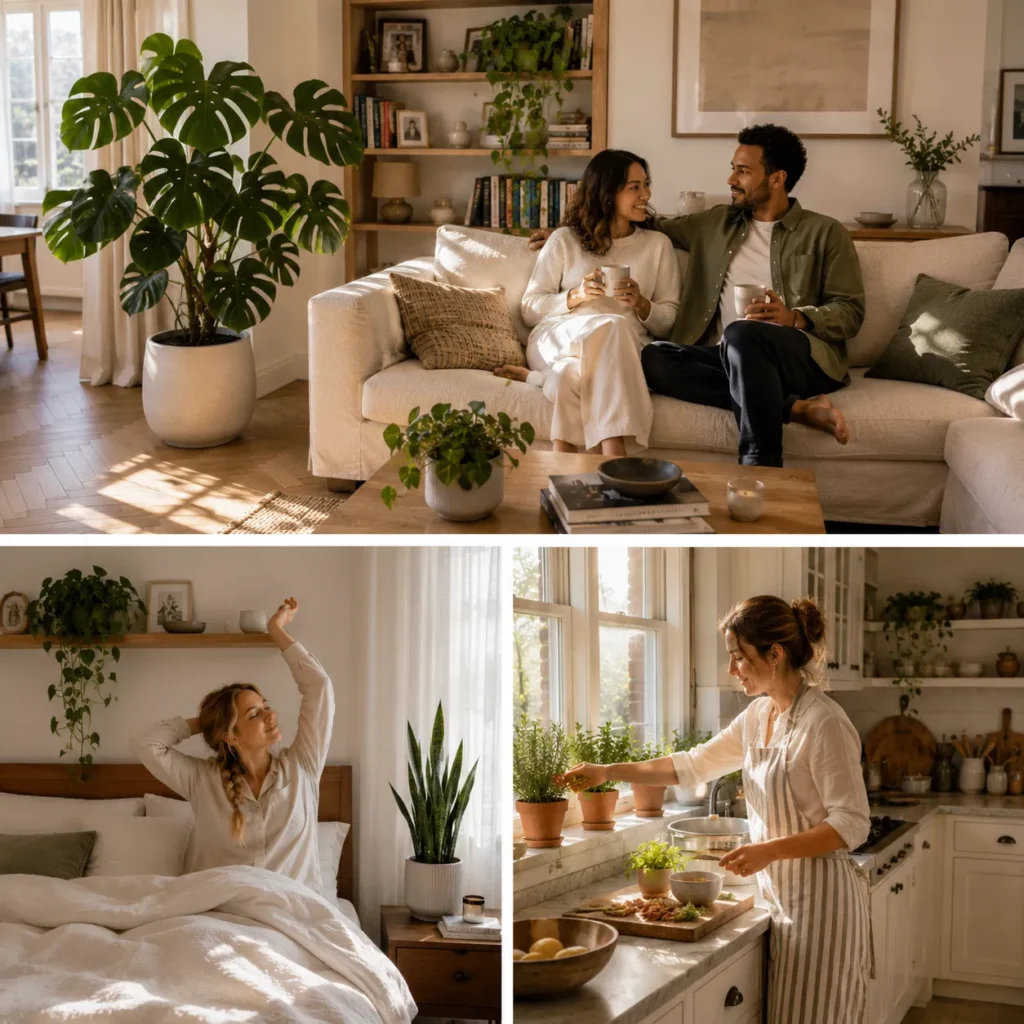
Living Room
Most living rooms have a bright corner and a darker one. Put a statement plant like a rubber plant or olive tree in the brightest spot, and use a snake plant or ZZ plant for the dimmer corner or beside the TV. Place plants near visual dead zones, such as empty corners or gaps beside large furniture.
Bedroom
Keep it calm with softer shapes and fewer pots. A snake plant on a dresser or a small fern on a nightstand works in medium light, and one floor plant is usually plenty. For more ideas, see our guide to the best plants for bedroom spaces.
Kitchen
A sunny windowsill suits herbs, which look great in a row of matching pots. Trailing pothos works on top of cabinets where the light is softer. Keep plants clear of the stove and the main prep area.
Bathroom
If your bathroom has a window, ferns enjoy the humidity and soften tile and glass. In a bathroom with little natural light, a hardy snake plant or pothos is the safer choice.
Home Office and Entryway
A ZZ plant or snake plant on a desk handles office lighting well and stays tidy. In an entryway, one medium plant in a pot that matches the console makes a welcoming first impression without cluttering the path.
If you share your home with pets, check each plant first. The ASPCA lists several popular choices, including pothos, snake plants and monstera, as toxic to cats and dogs.
Indoor Plant Styling by Interior Style
Once the light is covered, use your decor style to decide how many plants to use and how to arrange them.
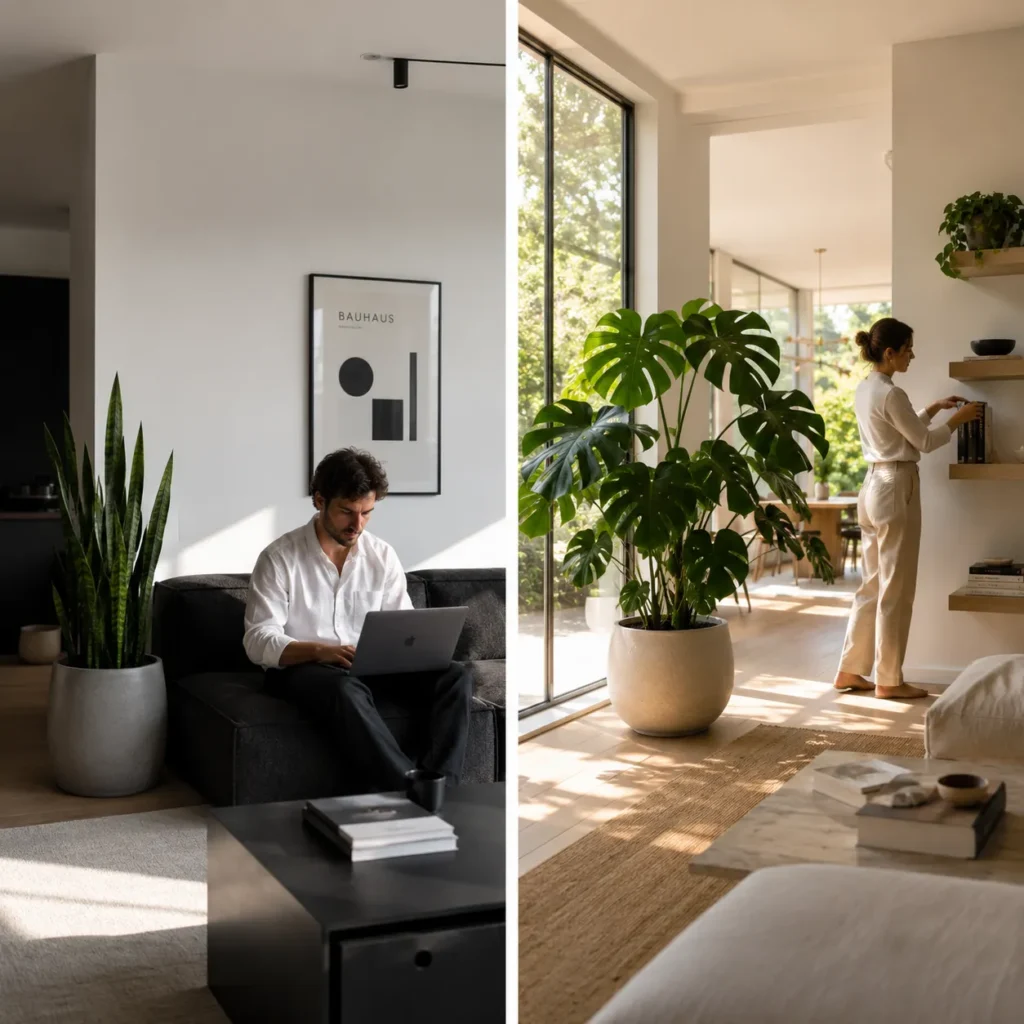
Modern and Minimalist
Go for strong architectural shapes and fewer, larger plants. A tall snake plant in a plain matte pot beside the sofa reads as sculpture, and a single monstera near a window adds drama without clutter. Repeat one pot finish around the room.
Scandi
Choose fewer plants with clean outlines, such as snake plants, rubber plants and eucalyptus, in white or natural ceramic. Keep surfaces mostly clear so the plants and the light do the work.
Japandi
Focus on sculptural greenery, neutral stoneware and plenty of open space. One plant per surface is often enough, and low, wide pots suit the grounded feel of the style.
Boho
Boho embraces abundance and layering. Mix woven baskets, macrame and terracotta, and let a trailing pothos spill from a high spot. More plants work here, but keep them grouped so the room still feels relaxed rather than crowded.
Farmhouse
Soft greenery in rustic containers suits farmhouse rooms. Ferns, pothos, eucalyptus and herbs look at home in galvanized metal, crocks and woven baskets.
Mediterranean
Mediterranean rooms pair beautifully with silvery and fragrant plants. An olive tree in a terracotta pot by a sunny window is the classic look, and citrus, lavender and rosemary add scent where the light is strong enough.
Hamptons and Coastal
Think airy and elegant: large palms, olive trees and white ceramic or rattan planters. Keep the palette light and the arrangement simple.
Styling Plants on Shelves, Stands and Walls
Shelves and stands are display tools, so we keep this short. The styling idea that matters is balance: mix plants with a few books and objects, combine upright and trailing shapes, and leave about a third of each shelf open. For full setups with stands, ladders, wall planters and hanging options, see our house plant display ideas guide, and if you need the furniture itself, browse the best plant stands and shelves.
Best Plants for Styling at a Glance
Use this quick table to match a plant to your room, light and style. The care level is a general guide for typical indoor conditions.
| Plant | Best Room/Light | Style Match | Care Level |
|---|---|---|---|
| Snake Plant | Bedroom, office; low to bright indirect | Modern, Scandi, Japandi | Easy |
| Rubber Plant | Living room; bright indirect | Modern, Scandi, Hamptons | Easy to moderate |
| Pothos | Kitchen, shelves; low to medium | Boho, farmhouse | Easy |
| Boston Fern | Bathroom, bedroom; medium, humid | Farmhouse, boho | Moderate |
| Olive Tree | Living room; full sun at a window | Mediterranean, Hamptons | Moderate |
| Meyer Lemon Tree | Sunroom, kitchen; full sun | Mediterranean | Moderate to high |
| ZZ Plant | Office, entryway; low to medium | Modern, minimalist | Easy |
| Monstera | Living room; medium to bright indirect | Modern organic, boho | Moderate |
Live plants vary in size and shape from the listing photos, so expect small differences when yours arrives.
How to Make Plants Look Expensive on a Budget
A high-end look comes from scale, restraint and presentation, not rare plants. One larger plant in a good pot usually looks more expensive than several small ones scattered around.
- Invest in one statement plant per room and build around it.
- Upgrade the pot before you upgrade the plant.
- Keep pots in one or two color families across the room.
- Group small plants together so they read as one larger shape.
Indoor Plant Styling Mistakes and How to Fix Them
Even healthy plants can look out of place when the styling is off. Here are the most common mistakes, with a quick fix for each.
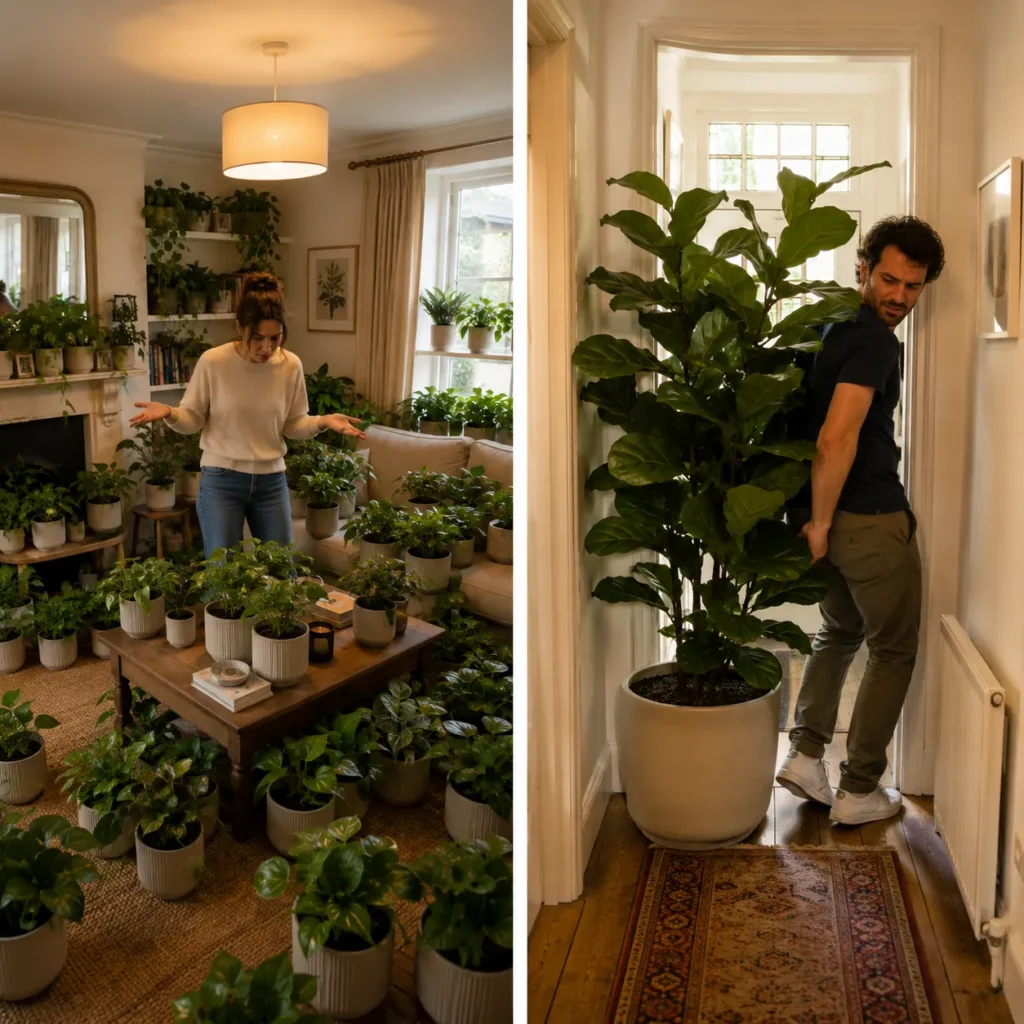
- Every plant is the same size. Fix: add one tall anchor and one small accent to create layers.
- Too many small pots everywhere. Fix: group them in threes on a tray or replace several with one larger plant.
- Plants lined up in a row. Fix: stagger heights and pull one plant slightly forward.
- Pots that clash with the room. Fix: choose one material and color family and repeat it.
- Plants blocking walkways. Fix: keep about 30 to 36 inches clear in paths and move big plants to corners.
- The wrong plant for the light. Fix: move it or swap it for a plant that suits the spot.
- Every plant treated as a focal point. Fix: let one plant lead and keep the others supporting.
- Mixing too many styles. Fix: pick the pot style that matches your decor and stick with it.
Bringing Your Plant Styling Together
Styling indoor plants is less about buying more and more about placing what you have with intention. Start with the light, choose one anchor plant, build height with medium and small plants, group in odd numbers and repeat one pot style.
Give each plant a little breathing room and the whole space will feel calm, finished and very much yours.
How to Style Indoor Plants FAQ
How do you style indoor plants?
Start with one large anchor plant, add medium and small plants at different heights, group them in odd numbers and use pots that match your decor. Choose plants for the light in each spot and leave open space around them.
How do you make plants look good together?
Group them in threes or fives, vary their heights in a loose triangle and mix leaf shapes and textures. Use pots in one material or color family so the group feels connected.
What pots look best with indoor plants?
It depends on your style. Matte white or black ceramic suits modern rooms, terracotta suits Mediterranean and boho spaces, and woven baskets suit boho and farmhouse rooms.
Where should you put plants in a living room?
Put a tall plant in a bright corner or beside the sofa, a medium plant on a side table or console, and a trailing plant on a high shelf. Keep walkways clear.
How many plants should you have in one room?
There is no fixed number. In a medium room, one statement plant plus a small group of two or three accents is a good start. Add more only if the room still feels open.